Posted October 2, 2026 by Tiffany Lee
In case you missed these stories highlighting research and creative endeavors at the University of Nebraska-Lincoln, the Office of Research and Innovation’s communications team has compiled a roundup of some top research stories from research.unl.edu and other sources.
Husker researchers make discovery in material that powers modern electronics
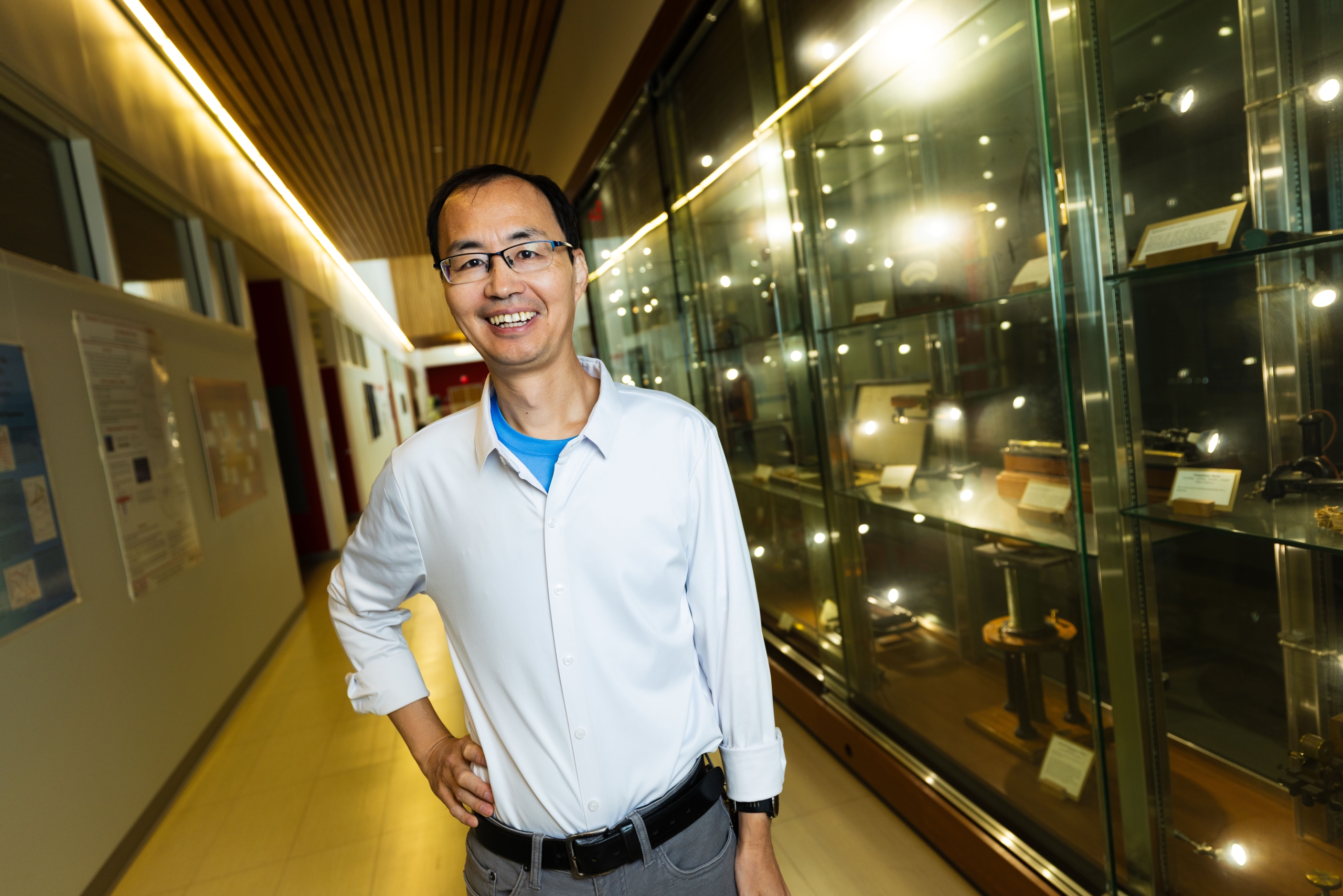
Who: Xiaoshan Xu, Susan J. Rosowski Professor of physics and astronomy; Alexei Gruverman, Charles Mach University Professor of physics; Evgeny Tsymbal, George Holmes Professor of physics and astronomy; Rohan Mishra, Washington University in St. Louis
What: In a recent paper published in Science, physicists Xu, Gruverman and Tsymbal demonstrated that hafnium oxide – a tough, heat-resistant chemical compound used widely in modern electronics – is inherently antiferroelectric, a rare quality where “switchability” enables the material to efficiently take in and release energy, change temperature and store information. Unlike hafnium oxide, also known as hafnia, many antiferroelectric materials contain the toxin lead, which limits their widespread use. The groundbreaking discovery will help settle a longstanding debate in the field about hafnia’s properties: Though scientists have long predicted the material’s antiferroelectric behavior, and observed electrical signals consistent with that behavior, definitive experimental evidence has remained elusive. To produce that evidence, Xu created an extremely thin layer of hafnia on an underlying crystal, which stabilized the atom arrangement that confers antiferroelectricity. Gruverman lent expertise in scanning probe microscopy and integral electrical measurements to confirm the film could transition from antipolar to polar states and otherwise exhibited characteristics of antiferroelectricity. Tsymbal provided theoretical corroborations of the experimental findings.
“The paper is very exciting,” said lead author Xu. “Not only have we discovered this new material with inherent antiferroelectricity, but the material is compatible with the modern electronics we already have, including our cell phones and computers. That sets it apart from all the other materials that have ferroelectricity and antiferroelectricity.”
Writer: Tiffany Lee, Office of Research and Innovation
Husker researchers studying connection between birds’ social, communication networks
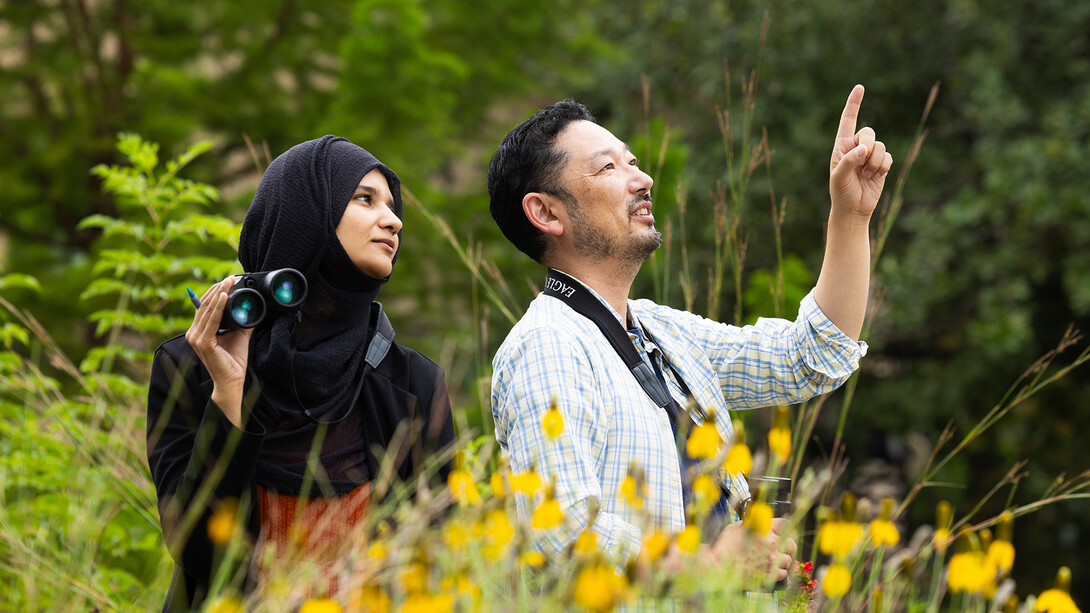
Who: Dai Shizuka, Susan J. Rosowski Professor in the School of Biological Sciences; Faiza Hafeez, graduate student in biological sciences
What: Shizuka received a nearly $875,000 grant from the National Science Foundation to build a framework that unites theories about birds’ social and communication networks. The research builds on Shizuka’s longstanding exploration of birds’ social networks, which examines how flock mates’ relationships with each other shape their use of resources and responses to environmental conditions. The new work will pursue answers to questions like whether communication facilitates deeper social relationships between birds, or conversely, whether pre-existing social ties foster enhanced communication. Shizuka and Hafeez will use new acoustic and tracking technologies, as well as artificial intelligence-based tools, to follow colonies of breeding red-winged blackbirds at Cedar Point Biological Station near Ogallala. They are especially interested in a communications phenomenon called signal propagation, which refers to how information, such as an alarm call, spreads through a group of birds.
“What’s different about this study is the merging of the communication network idea and the social network idea,” Shizuka said. “Applying technology to the question of signal propagation is also pretty new. People are using sound localization techniques and microphone array systems to study individual behavior in birds and monitor populations, but we’re taking the next step and using it to parse out the social dynamics of communication.”
Writer: Tiffany Lee, Office of Research and Innovation
Balasubramaniam using bacterial gene networks to develop new miniature AI architecture
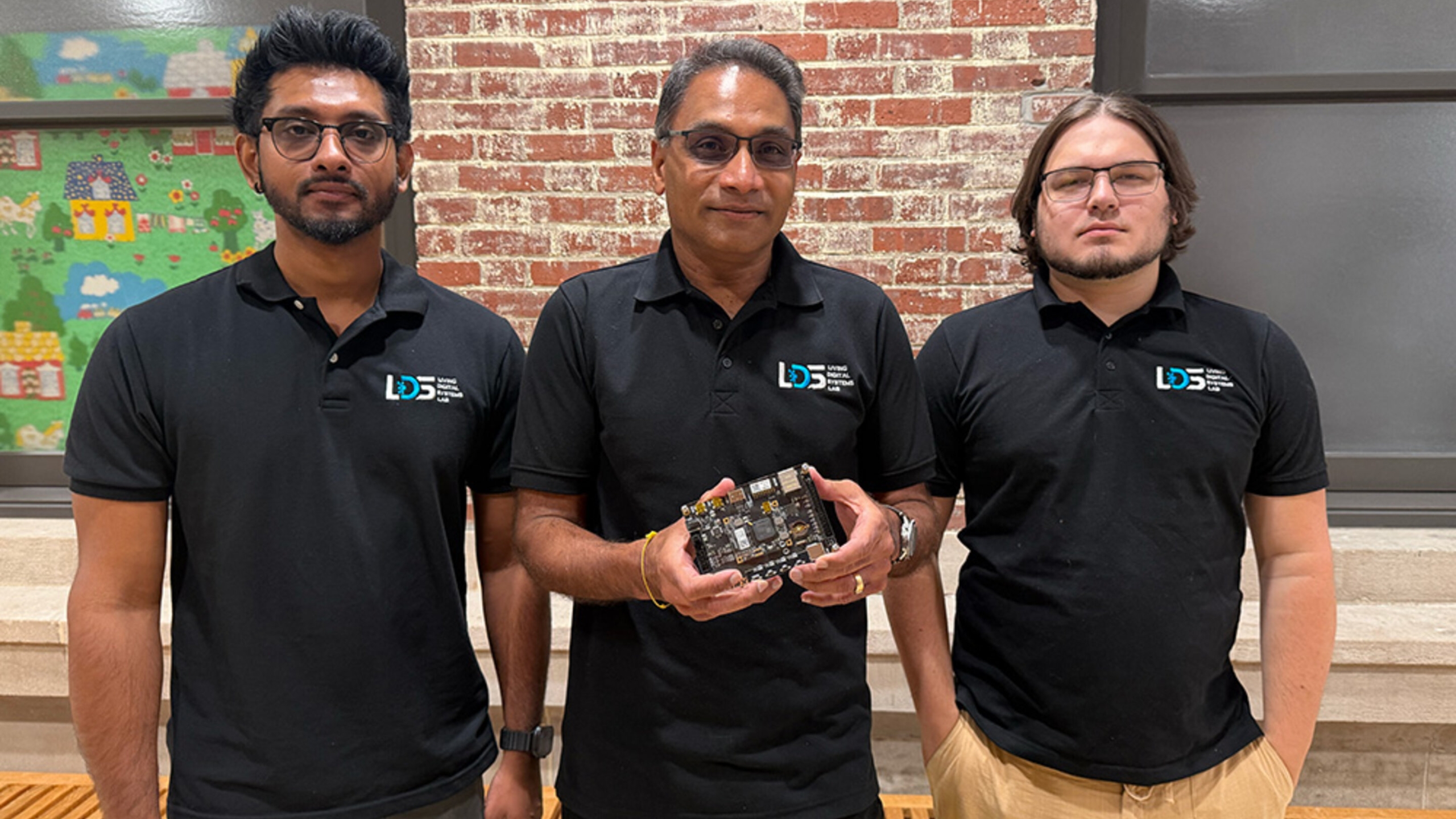
Who: Sasitharan Balasubramaniam, associate professor of computing
What: Balasubramaniam and his team received a three-year, $782,358 National Science Foundation Future CoRe grant to explore a new, alterative approach to intelligent computing inspired by bacteria. Bacteria are known for their ability to sense their surroundings, process information and adapt to changing conditions – even making decisions crucial to their survival. They perform these tasks with remarkable resilience and energy efficiency, making them an ideal prototype for an intelligent computational framework. By studying the key gene regulation processes in bacteria, Balasubramaniam hopes to understand how they adapt and perform using little energy. This knowledge can then be used as the foundation of an artificial intelligence architecture that consumes a low quantity of energy. Balasubramaniam believes that this research will not only lead to new advancements in AI technology, but could potentially transform the AI field as a whole.
“The most exciting thing is that we are now expanding the definition of AI, where traditionally we have relied on inspiration from neuroscience,” he said. “We feel that this could create a new trend in AI, where researchers will look at other organisms for inspiration to develop novel algorithms and open up new application opportunities.”
Writer: Victoria Grdina, School of Computing
Nebraska Digital Ag Hub to develop solutions for state’s ag producers
Who: Guillermo Balboa, research assistant professor in agronomy and horticulture and interim director of the Nebraska Digital Agriculture Hub
What: On Sept. 15, the university launched the Nebraska Digital Agriculture Hub, which is aimed at advancing data-driven agriculture by integrating interdisciplinary research, extension, education and entrepreneurship. The hub will deliver validated digital solutions, build leadership capacity through a next-generation task force, and accelerate real-world adoption. An early adopter of drones, soil moisture sensors and precision ag tools, UNL has led the way in digital ag technologies for decades and currently has more than 40 programs focused on digital agriculture. But conversations between Husker faculty and producers reflected challenges related to digital ag: a perception of too many technologies, barriers to communication between systems and difficulties translating data into better decisions, for example. These challenges paved the way for the new hub, which will map and connect existing digital agriculture assets across the state and build a network spanning the university, Nebraska Extension, producers, industry and government. It will also launch new interdisciplinary research, create experiential opportunities for students and offer new digital agriculture education and credentialing opportunities for students and producers.
“Our vision is that Nebraska is where digital ag and innovation happens,” said Tiffany Heng-Moss, Harlan Vice Chancellor for the university’s Institute of Agriculture and Natural Resources and University of Nebraska vice president. “It’s where it’s created, it’s where it’s tested, where it’s validated, and it’s where it’s going to be scaled up.”
Writer: Cara Pesek, Institute of Agriculture and Natural Resources
Cui leads NSF-funded digital twin project to understand skeletal muscle adaptation
Who: Juan Cui, associate professor of computing
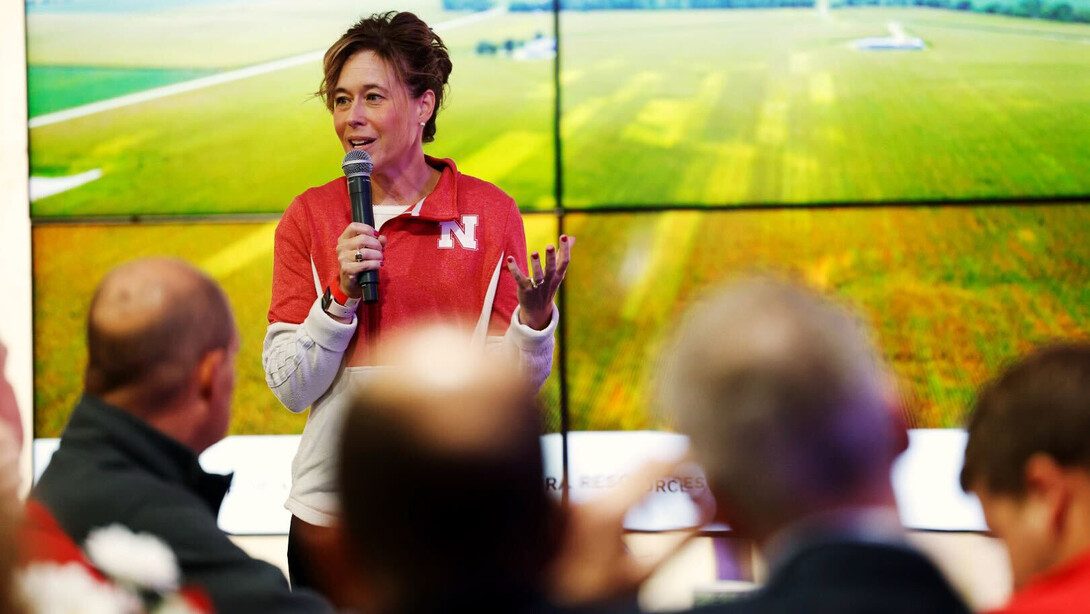
What: With a three-year, $525,000 grant from the National Science Foundation, Cui will lead an interdisciplinary team in developing a digital twin of skeletal muscle – the tissue that powers voluntary movement and impacts metabolic health, structural support for joints and organs, and regulation of body temperature. The team’s computational framework will predict how this muscle adapts to activity, disuse, metabolic stress and recovery, providing researchers clues as to why muscle function declines over time and how to enhance resilience, healthy aging and rehabilitation. The model is innovative for bringing together complementary sources of information, including multiscale data from controlled mouse studies and human physiological and behavioral measurements. This design will help scientists determine which measurements or conditions are most valuable to test, potentially reducing unnecessary experimentation over time. Cui said recent advancements in artificial intelligence and digital twin research have made the project possible, and its success could expand opportunities for related interdisciplinary research in the future.
“This project demonstrates how computing and AI can work directly with experimental biology and human physiology,” Cui said. “Skeletal muscle gives us an excellent testbed, but the computational approaches we develop could eventually be adapted to other physiological systems as well.”
Writer: Victoria Grdina, School of Computing
Bose explores digestion, nutrition data in research at Food Innovation Center
Who: Prabhashis Bose, food science and technology doctoral student; Kaustav Majumder, associate professor of food science and technology; FoodBioPep lab
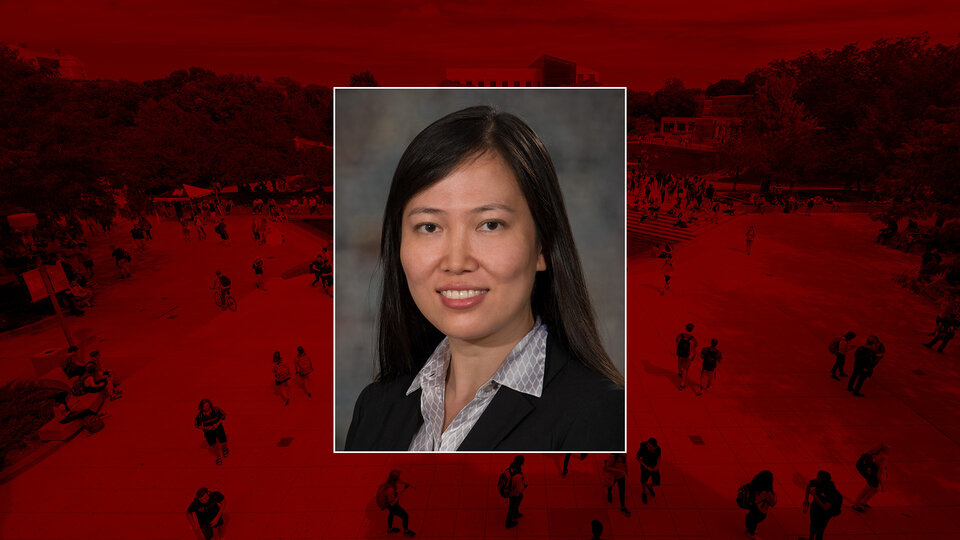
What: Bose is exploring how the body processes food during digestion and hopes the work will help people get the nutrients they need, while also helping producers create better food. His work examines how the digestive process transforms what is eaten by simulating human gastrointestinal digestion one step at a time. He and colleagues analyze data, collected before and after this process, to determine what is bioavailable for tasks like building muscle. This data can then be used to help food professionals learn more about crops and crop breeding to create foods packed with what the body needs to function and thrive. For this project, Bose recently was named a fellow of the Foundation for Food and Agriculture Research. One of 28 fellows in the ninth cohort, Bose received the Rockey FFAR Scholarship to support the professional development program.
“Food is something everyone uses and will continue to be a cornerstone of society,” Bose said. “(The research is) helping to understand how to connect food science with agriculture and human health.”
Writer: Kristina Jackson, University Communication and Marketing