Posted July 2, 2026 by Tiffany Lee
In case you missed these stories highlighting research and creative endeavors at the University of Nebraska-Lincoln, the Office of Research and Innovation’s communications team has compiled a roundup of some top research stories from research.unl.edu and other sources.
NSF-funded project explores potential ally against harmful algal blooms
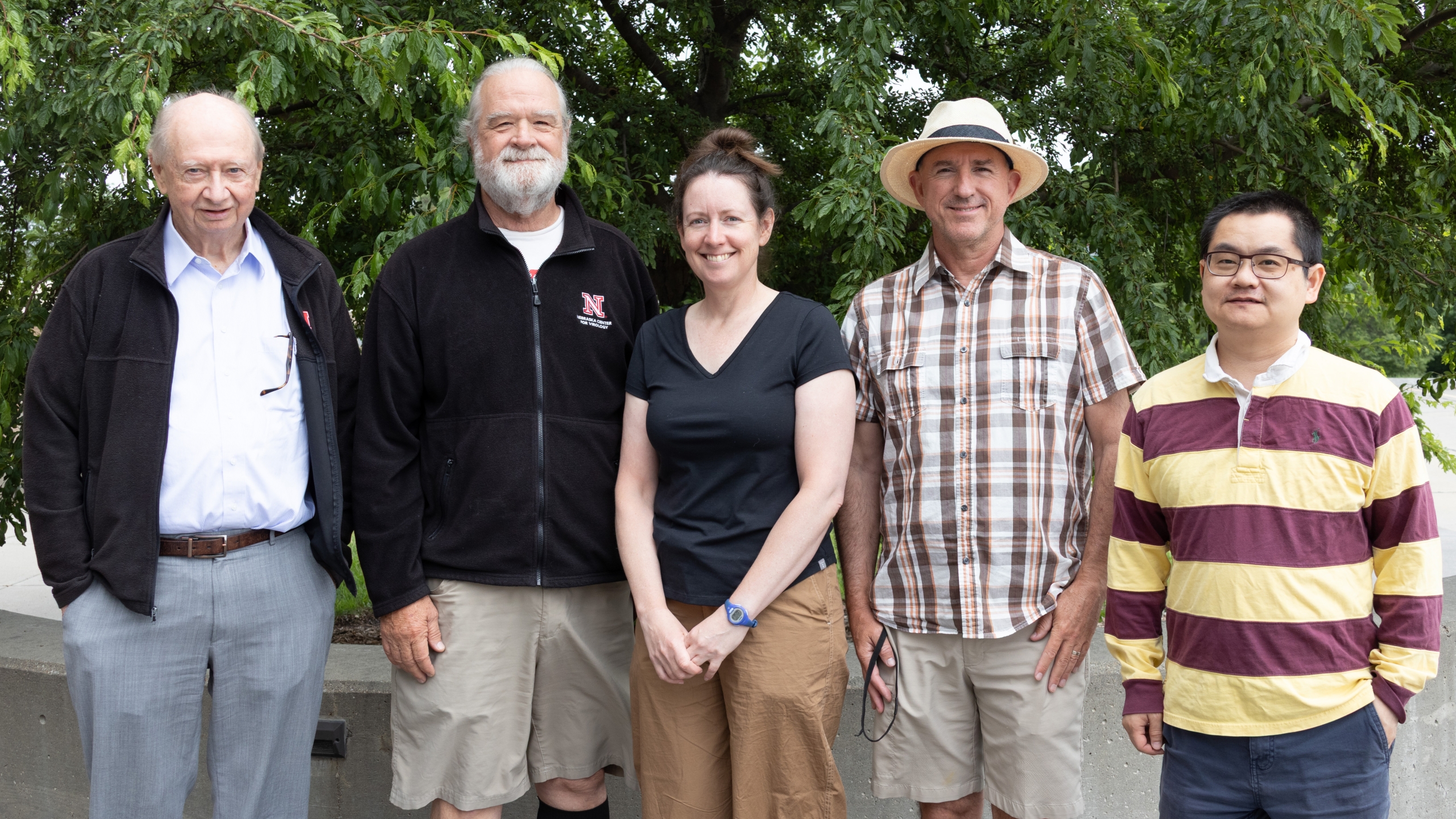
Who: Jessica Corman, associate professor in the School of Natural Resources; John DeLong, professor of biological sciences; David Dunigan, research professor of plant pathology; Jim Van Etten, William Allington Distinguished Professor of plant pathology; Qiuming Yao, assistant professor of computing
What: The Husker team received a nearly $1.1 million grant from the National Science Foundation to explore an unlikely tool for mitigating toxic cyanobacterial blooms in inland waters: virovory, the phenomenon of organisms eating viruses as a food source. Virovory has the potential to combat eutrophication – a surplus of nutrients and minerals in the water – because viruses are rich in nitrogen and phosphorus. When they’re eaten, the researchers hypothesize that these nutrients shift to higher levels of the food web. The team aims to develop the first-ever map charting the movement of viral-bound phosphorus and nitrogen after a virus is consumed. The researchers will grow a virus with detectable “tags” that allow them to track this process, with the goal of demonstrating that primary and secondary consumers are assimilating phosphorus and nitrogen in their bodies. The team will also conduct food web manipulation experiments to determine how virovory occurs in natural ecosystems and build mathematical models that predict virovory-induced nutrient fluxes in an ecosystem. The project will provide research experiences for undergraduate students.
“This is a really unique opportunity to expose students to the idea that viruses are not just infecting humans – they’re also interacting with the environment,” Corman said. “We’re studying virovory in lakes, but it’s probably happening in soils and in other ecosystems, as well.”
Writer: Tiffany Lee, Office of Research and Innovation
Poust helps identify new species of feathered dinosaur
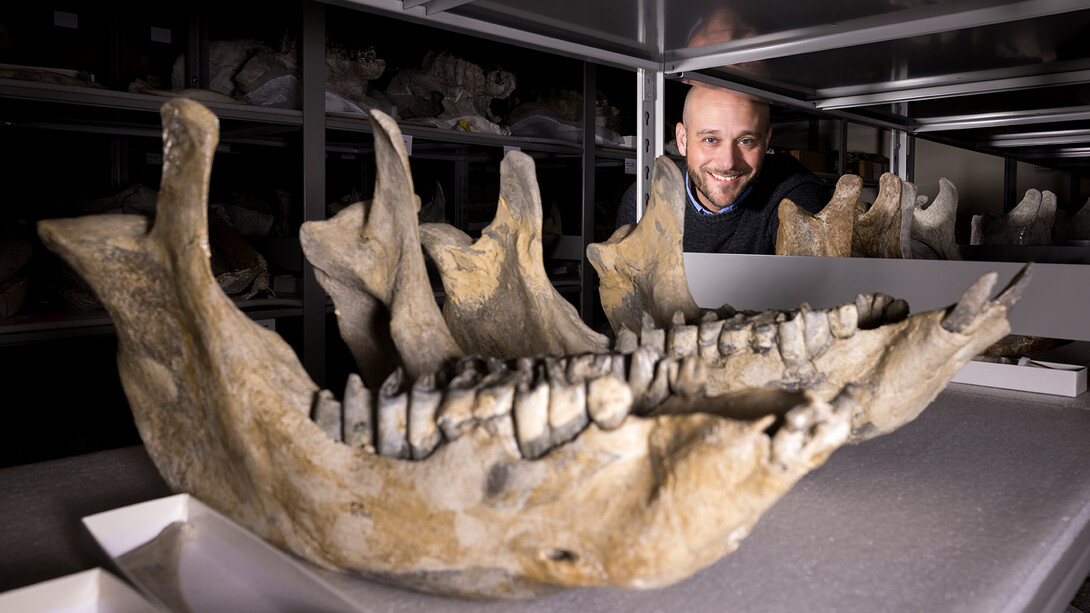
Who: Ashley Poust, Dr. Michael and Jane Voorhies Endowed Curator of Vertebrate Paleontology at the University of Nebraska State Museum
What: Poust is part of an international team that identified Jian changmaensis, a newly described feathered dinosaur from China’s Changma Basin – a site known for exceptionally preserved Early Cretaceous birds and other delicate fossils. He first encountered the fossil more than a decade ago as a graduate student when he attended a talk by Matt Lamanna, whom he met after the presentation. This led to a collaboration involving researchers from the Carnegie Museum of Natural History, Chicago’s Field Museum and colleagues in China working at the Changma site. The team systematically analyzed the partially preserved fossil – a fragment of a shoulder and forelimb locked in stone – eventually placing it within a group of small, feathered, bird-like dinosaurs known as microraptorines, which are close relatives on the evolutionary branch leading toward modern birds. Poust contributed comparative anatomy work and helped with the phylogenetic analyses. At Nebraska, Poust is focused on using his experiences to help train the next generation of scientists and ensure they’re connected to research happening around the world.
“You can’t always know what experiences you accumulate or the people you meet are going to mean for your future,” Poust said. “If you’re too focused on one path, sometimes you miss opportunities that might benefit you in the long run.”
Writer: Troy Fedderson, University Communication and Marketing
Nebraska U pioneers breakthrough swine vaccine innovation
Who: Hiep Vu, associate professor of animal science; The Nguyen, former Husker graduate student
What: In a new paper in npj Vaccines, a Husker research team described a new swine influenza vaccination strategy that is low cost, adaptable and effective – characteristics that may bolster the technique’s efficacy in other species. The new approach encases DNA into fat-like microscopic carriers, called lipid nanoparticles, that are injected into pigs’ muscle tissue. A single dose released DNA that generated strong antibody responses within seven to 14 days, outperforming the protective responses from DNA-focused strategies previously documented in the literature. In addition, the approach did not worsen respiratory conditions but instead prevented them – an improvement over current swine influenza vaccines, which sometimes enhance respiratory distress in pigs when they are later infected with a different, non-matching viral strain. A major advantage to the new approach is that it uses only a key, non-infectious component of the virus that scientists can quickly synthesize. Vu said this means an updated vaccine could likely be developed within a month – a major advantage when dealing with an evolving virus and different species.
“My hope is that if we can use the same technology for multiple species, that will make this approach more like a versatile responder,” he said. “You can have a standard vaccine platform that can be used for different species.”
Writer: Geitner Simmons, Institute of Agriculture and Natural Resources
Husker researchers study invisible plastics in everyday drinks
Who: Lucia Fernandez-Ballester, associate professor of mechanical and materials engineering; Seulki Kim, assistant professor of sociology; Yusong Li, professor of civil and environmental engineering; Yongfeng Lu, Lott Distinguished Professor of Electrical and Computer Engineering; Svetlana Romanova, research assistant professor of pharmaceutical sciences at the University of Nebraska Medical Center; Bing Wang, associate professor of food science and technology
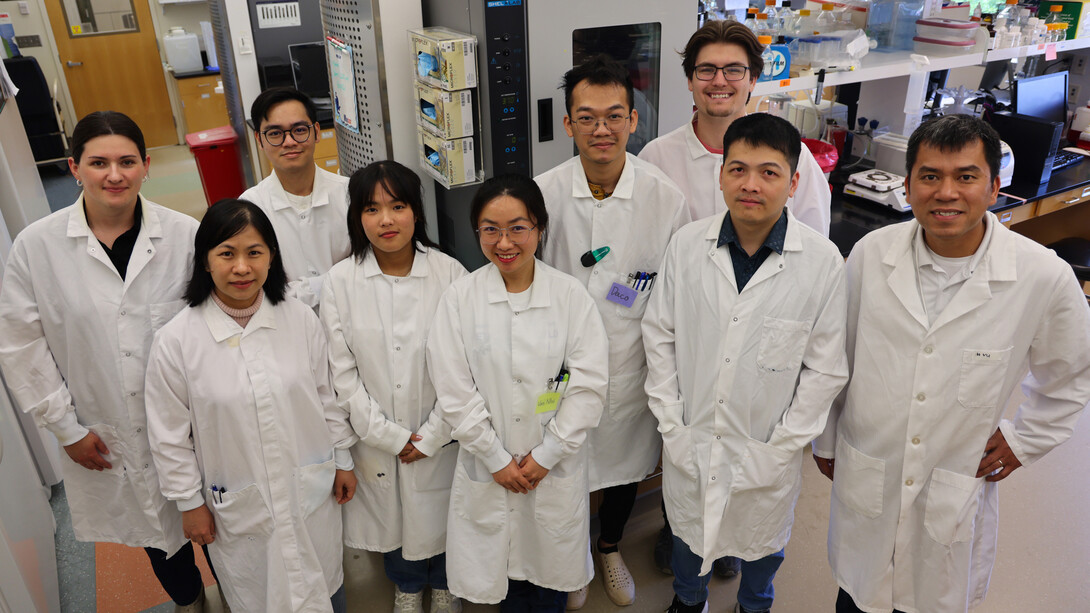
What: With a nearly $1.5 million grant from the National Institute of Environmental Health Sciences, the Nebraska team is investigating human consumption of microplastics from everyday beverage containers – bottles that hold water and soft drinks, takeout coffee cups and more. The researchers aim to quantify how many of these tiny, invisible plastic particles people are consuming – and what the health impacts may be. The team is particularly interested in measuring the different release rates of plastic particles into liquids, which can differ depending on everyday scenarios: heating containers, leaving bottles in hot environments or reusing plastics may increase the number of particles released. Understanding these patterns will shed light on which habits are the riskiest. To understand potential health effects, Lu is using an advanced laser-based technique to generate large quantities of micro- and nanoplastics that closely resemble those released from real containers, opening the door to more realistic toxicity studies. He can produce these materials in a matter of hours rather than months or years. The interdisciplinary project – which builds on earlier efforts under a Grand Challenges initiative – brings together engineers, health scientists and behavior experts to tackle the issue from multiple angles.
“I think the strength of this project is the team,” Lu said. “The combination makes us unique.”
Writer: Karl Vogel, College of Engineering
Awards expand research on melanin-producing fungi, microbial communities
Who:Rajib Saha, Richard L. and Carol S. McNeel Associate Professor of Chemical and Biomolecular Engineering; Erin Carr, postdoctoral researcher in chemical and biomolecular engineering; Steven Harris, Iowa State University; Yinjie Tang, Washington University in St. Louis
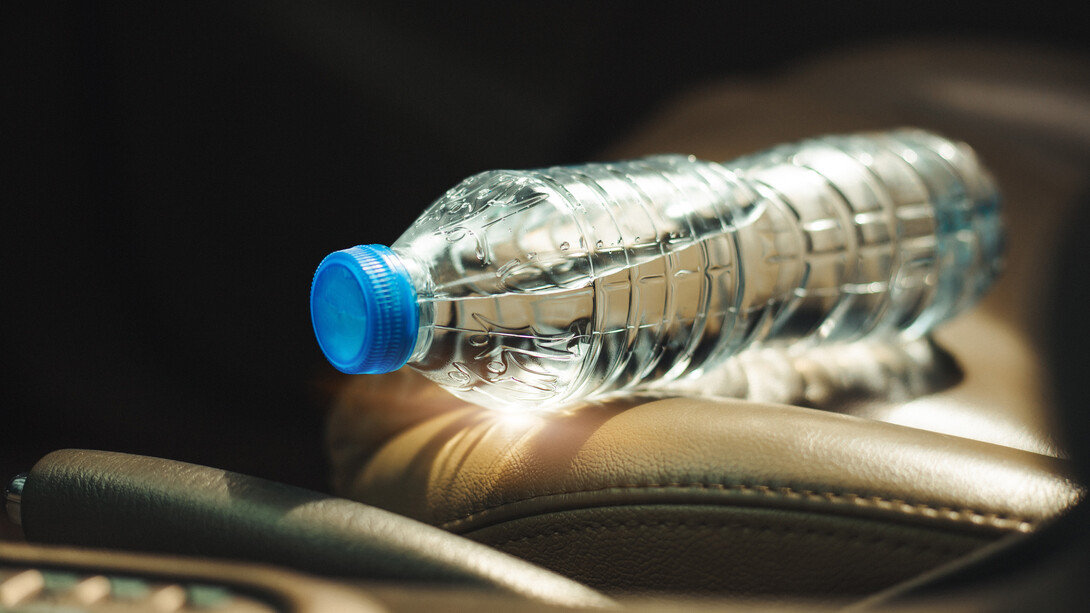
What: Saha’s research team received funding from the U.S. Army DEVCOM Army Research Office and the Air Force Office of Scientific Research to investigate how fungi produce melanin, why they release it into their environment and how the process influences microbial community survival under harsh conditions. Though melanin is best known for giving color to human skin, hair and eyes, it has a broader role in nature: The pigment protects organisms from ultraviolet radiation, oxidative stress, toxic metals, desiccation and other environmental challenges. Because of these properties, melanin is a potential biomaterial for protective coatings, radiation shielding, advanced materials and more. The researchers are first trying to understand why fungi – particularly Exophiala viscosa, which was discovered by Nebraska researchers – release melanin, considering that production is a metabolically expensive process. A possible reason is that the fungi are part of a two-way relationship, where neighboring algae and cyanobacteria provide essential nutrients in return for protection from environmental stress. The Army-supported project investigates these interactions directly, and the Air Force-supported project focuses on the fungus itself.
“We are building an integrated research effort around a remarkable organism,” Saha said. “The goal is to understand not only how melanin is made, but also why it is produced, why it is secreted and what role it plays in helping microbial communities survive and function.”
Writer: College of Engineering
Fathers may play outsized role in shaping teen smoking, vaping habits
Who: Alex Mason, professor of child, youth and family studies
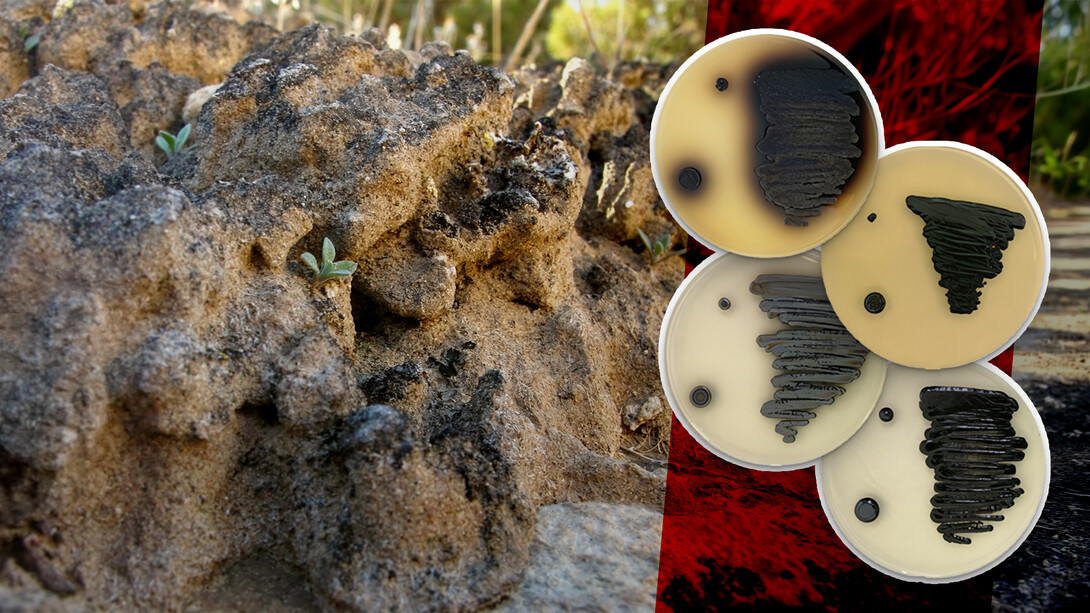
What: A new study from UNL sheds light on how parental smoking influences adolescents’ attitudes and use of both traditional cigarettes and e-cigarettes. Mason led the research, which followed 230 children from preschool through adolescence, investigating how repeated exposure to smoking behaviors in the home affects later smoking and vaping by teens. The team found that cumulative exposure to parental smoking over time significantly boosts the likelihood that adolescents will both view smoking and vaping more favorably and engage in those behaviors themselves. The researchers also found that a father’s smoking habits were more strongly linked to adolescent attitudes and use of cigarettes and e-cigarettes – despite mothers more commonly being in the caregiver role. The research comes at a critical time, as youth vaping use is trending upward. Mason said the research indicates that early family intervention is necessary to prevent children from becoming consumers of nicotine and tobacco products. The larger purpose is to protect teens’ brain development – Mason noted that if children start vaping in their early teen years, by the time they graduate high school, they will have consumed products for six or seven years.
“We have very little understanding of what the consequences of that is for brain development,” he said. “It’s kind of an absurd experiment with our children’s health.”
Writer: Deann Gayman, University Communication and Marketing
New DOE grant to support Nebraska nuclear energy training and workforce development
Who: Bai Cui, professor of mechanical and materials engineering; Yongfeng Lu, Lott Distinguished University Professor of Electrical and Computer Engineering;
What: A $1.4 million grant from the Department of Energy will power nuclear reactor safety training and workforce development in Nebraska, driven by a collaboration between UNL’s College of Engineering, the Nebraska Public Power District, Idaho National Laboratory, Southeast Community College, the Asian Community and Cultural Center, and industry partners like Orano and Kairos Power. The project is aimed at expanding capacity in the nuclear energy sector, which is expected to experience unprecedented job growth over the next 25 years. The grant will support three new courses focused on theoretical knowledge of nuclear reactors and safety at UNL; nuclear reactor safety training and certification; a summer youth camp at SCC; and internship opportunities at Idaho National Laboratory and Cooper Nuclear Station in Brownville, Nebraska. The initiative also includes outreach programs through the Asian Community and Cultural Center designed to inspire underrepresented communities in Nebraska to explore opportunities in nuclear energy and engineering.
“It’s very timely, as the United States is placing renewed emphasis on nuclear energy,” Cui said. “With the rapid growth of data centers and the increasing electricity demand driven by artificial intelligence, there is a growing need for reliable, large-scale, carbon-free energy sources. Nuclear energy is carbon-free and represents one of the most energy-dense sources available today.”
Writer: Phil Carter, College of Engineering
Nebraska researchers map ‘missing link’ in plant growth and solar energy
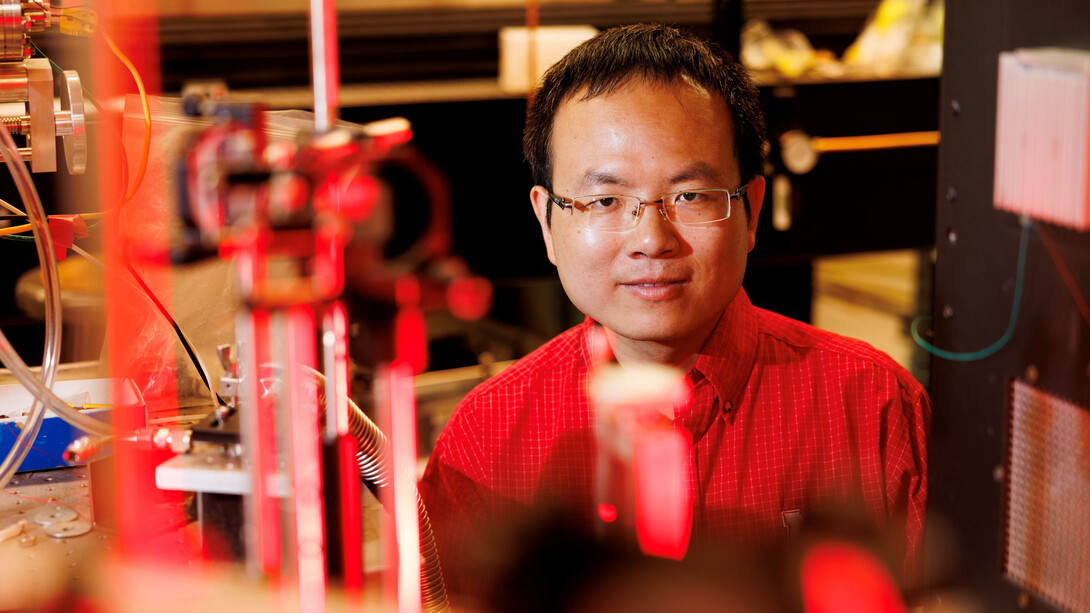
Who: Rebecca Roston, associate professor in the Center for Plant Science Innovation and the Department of Biochemistry
What: Scientists have long understood the basics of photosynthesis, where plants convert light into chemical energy. But researchers still know little about the uniquely specialized membranes on which photosynthesis takes place. The membranes must be continuously assembled, remodeled and repaired as plants grow and respond to stress. Roston leads a team that recently mapped a new region within chloroplasts that serves as the assembly line for photosynthetic membranes. The team’s publication in Nature Communications pinpoints a specific area within the cell where the machinery of life is built, repaired and maintained. The paper is the result of the innovative work of a resilient group of young researchers in Roston’s lab, who identified proteins they suspected were responsible for building membranes. They demonstrated that when certain proteins are missing, the plant’s photosynthetic membranes become disorganized. They also conducted proteomic analyses to profile the proteins. The work paves the way for researchers to identify new levers to improve resilience and may inform the design of bio-inspired or bio-hybrid membranes for renewable energy applications.
“This paper is more than a scientific discovery,” Roston said. “It is a testament to the resilience of young researchers who did incredible science while navigating immense adversity.”
Writer: Rebecca Roston, Center for Plant Science Innovation and Department of Biochemistry