Posted July 31, 2026 by Tiffany Lee
In case you missed these stories highlighting research and creative endeavors at the University of Nebraska-Lincoln, the Office of Research and Innovation’s communications team has compiled a roundup of some top research stories from research.unl.edu and other sources.
Husker team earns elite NSF award to drive next generation of materials research
Who: Christian Binek, Paula and D.B. Varner Professor of physics; 15 additional Husker collaborators
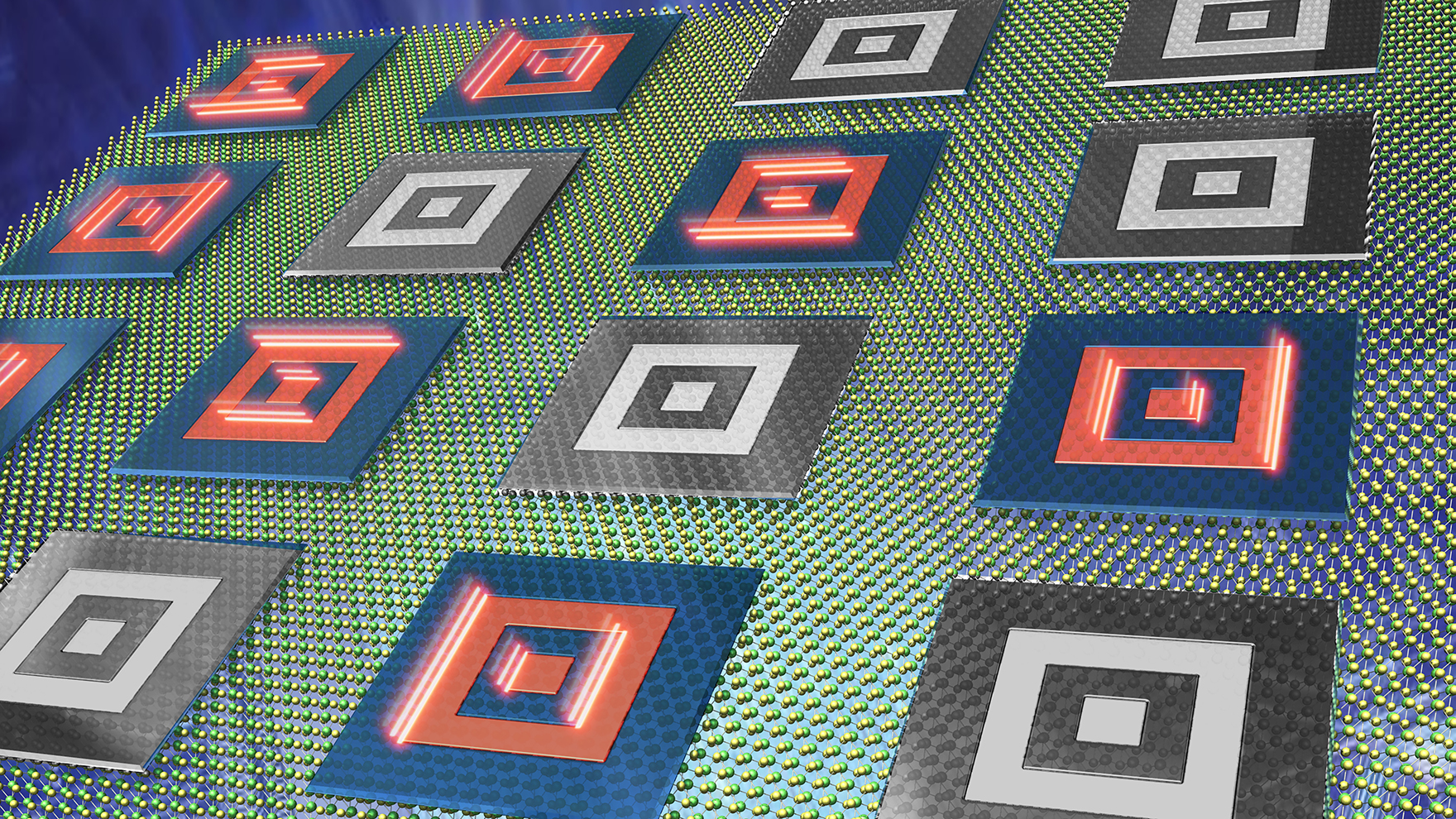
What: A team of Husker researchers received a six-year, $18 million National Science Foundation grant to establish a new Materials Research Science and Engineering Center at UNL. The team was one of six institutions to receive funding this year through NSF’s MRSEC program. The center – named Atomically Engineered Materials, or AtEM – will explore fundamental questions in quantum materials, advancing scientific understanding of ultra-thin materials that are key to faster computers, more energy-efficient artificial intelligence and brain-inspired computing. It will have two interdisciplinary research groups, educational outreach and workforce development programs, and Nebraska’s cutting-edge facilities to support its mission. The work expands UNL’s major discoveries in understanding magnetic materials and structures at the nanometer scale, driven by collaborative work at the Nebraska Center for Materials and Nanoscience; EQUATE, the Emergent Quantum Materials and Technology Center, funded by NSF’s Established Program to Stimulate Competitive Research; and UNL’s previous MRSEC, P-Spins: Polarization and Spin Phenomena in Nanoferroic Structures. A major goal of AtEM is to fabricate quantum materials with exceptional control at the atomic level, which allows researchers to investigate how atomic structure and chemical composition impact a material’s properties.
“The ultimate dream of a material designer is to have full control over where you put an atom in space and how that atom interacts with other atoms next to it,” said Christian Binek, who will direct the center. “If you had full control over the structure and chemical composition of the material, you couldn’t do better than that. You could create whatever you want.”
Writer: Office of Research and Innovation
Genesis Mission funding to advance AI, 6G
Who: Mehmet Can Vuran, Dale M. Jensen Chair and Professor of computing; Santosh Pitla, professor of biological systems engineering; Brookhaven National Laboratory; ALPEMI Consulting LLC; Hewlett Packard Enterprise
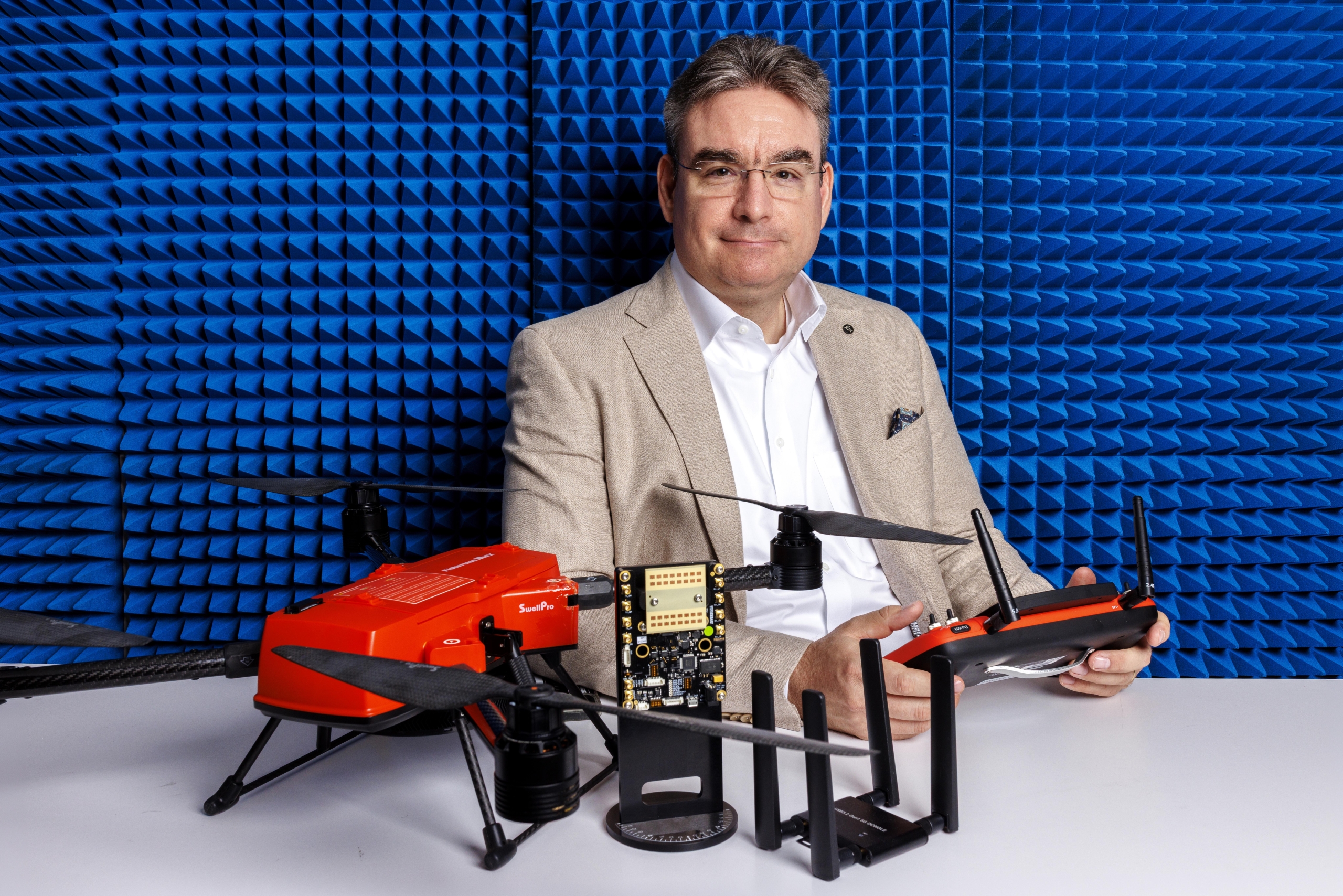
What: Vuran leads a team contributing to the U.S. Department of Energy’s Genesis Mission, an ambitious effort to build the world’s most powerful integrated science discovery platform. The project was among the inaugural awardees announced July 22 at the Genesis Mission Summit in Washington, D.C. By uniting government, industry, academia and philanthropy, the mission is accelerating breakthroughs in energy, scientific discovery and national security. Vuran’s team will advance AI-driven co-design methodologies capable of designing, deploying, testing and evaluating 6G radio access networks – the portion of the cellular infrastructure that connects wireless devices to the broader communications system. Developing intelligent and flexible RAN is increasingly critical with the approaching launch of 6G networks. Because these networks are increasingly complex, human-driven design approaches are insufficient to support rapid innovation. To solve that problem, the researchers are developing a co-designer that reduces 6G RAN design iterations from time frames of weeks and months to days. This ability to quickly modify 6G networks is critical in the unpredictable real-world settings where future DOE scientific missions will take place.
“With the AI co-designer, we are building an ‘autopilot’ for designing the next generation of 6G wireless technology,” he said. “The designed solutions will ensure our future robots and sensors stay connected even when moving through unpredictable terrain.”
Writer: Tiffany Lee, Office of Research and Innovation
UNL partnering with Iowa State, others on major biomanufacturing initiative
Who: University of Nebraska-Lincoln, Iowa State University and collaborators across the two states
What: The ISU-led RuralSTAMINA initiative received $15 million in funding for a collaborative project aimed at creating a bioeconomy-focused innovation ecosystem in the region’s rural communities. UNL is a core partner in the initiative: Ascending Rural Communities through Sustainable, Transformative, Advanced Manufacturing Innovations and Alliances. In total, the project includes about 70 public and private partners. The funding comes from the National Science Foundation’s Regional Innovation Engines program, which is designed to support multiple flourishing regional innovation ecosystems across the U.S. that have not fully shared in the technological advances of the past few decades. A major goal is to advance Iowa and Nebraska’s powerful agricultural economies by developing and commercializing innovations in biomass conversion and biomanufacturing to create new value-added products from regional commodities. Alongside that, the project aims to develop an advanced manufacturing workforce. Partnerships among K-12 schools, tribal colleges, community colleges, industry and the university will help train the next generation of bioeconomy employees.
“This Engines grant will allow us access to funding to be able to … help with the needs for workforce development in the area,” said Tammy Mittelset, statewide education and career pathways coordinator in the College of Agricultural Sciences and Natural Resources. “It’s about helping students get access to opportunities … and allowing them to see their futures in our states and how to take their education and their knowledge that they learn and apply it to careers of the future.”
Writer: Dan Moser, Office of Research and Innovation
Startup harnesses gait data to improve health outcomes
Who: Fadi Alsaleem, James and Virginia Blackman Associate Professor of architectural engineering and Grasshopper Health co-founder and technology adviser; Sara Myers, professor in the Department of Biomechanics and associate vice chancellor for research and creative activity at the University of Nebraska at Omaha; Lance Stewart, co-founder and chief commercial officer for Grasshopper; NUtech Ventures, UNL’s technology commercialization affiliate
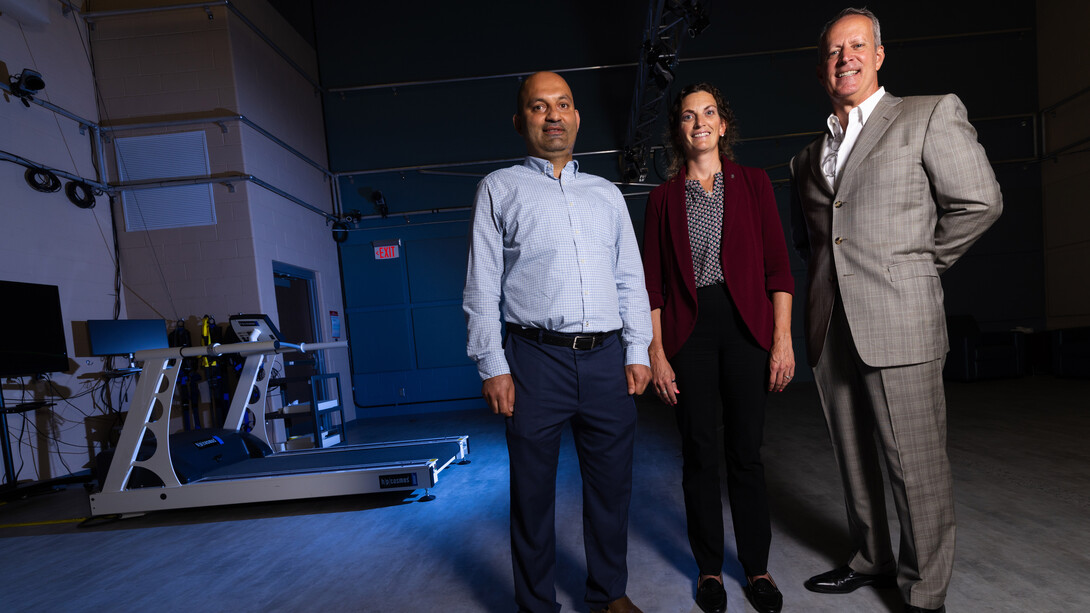
What: Uniting expertise from three University of Nebraska institutions led to the launch of Grasshopper Health, a startup aimed at commercializing a wearable, low-cost medical device that continuously delivers gait data to a patient’s smartphone and a provider’s chart. A change to a person’s gait – the “sixth vital sign” – can be an early warning sign for conditions like Parkinson’s disease, Alzheimer’s, peripheral artery disease and more. But gait can be difficult to measure and often overlaps age-related changes. Grasshopper’s device, called the Axis Patch, is aimed at paving the way for earlier diagnoses, improved treatments and better tracking of how medical interventions are working. With a recently established strategic partnership with Omaha-based CQuence Health, the company is advancing toward clinical trials and broader adoption of its patch. The device overcomes major hurdles faced by its predecessors, especially cost: Recent changes in health care reimbursement have created pathways for broader insurance coverage. Axis also has a long battery life and the ability to continuously, wirelessly transmit data to patients and doctors – allowing providers to remotely hundreds of people at once. It’s also lightweight and low-profile, a contrast to the bulkiness and uncomfortable fit of other models.
“We envision the final product being like a Band-Aid, where you just put it on your lower back and forget about it,” Alsaleem said.
Writer: Tiffany Lee, Office of Research and Innovation
Study sheds light on how mountaineering mice survive extreme environments
Who: Jay Storz, Willa Cather Professor of biological sciences; Naim Bautista, former postdoctoral associate in the Storz laboratory; collaborators from three Chilean universities, McMaster University in Canada and the University of Montana
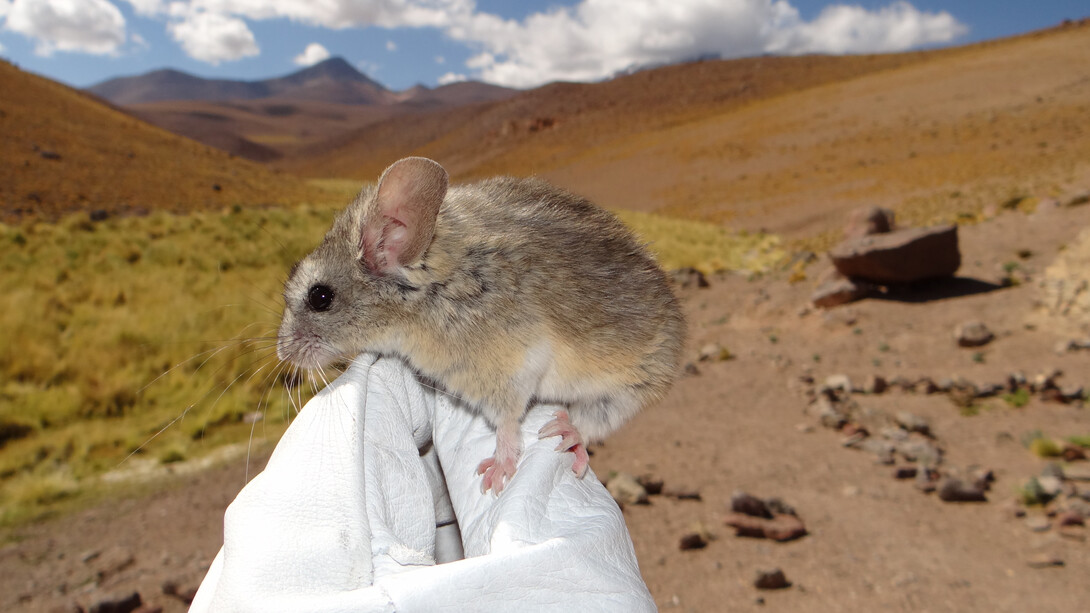
What: In a study published in Science, Storz’s team revealed the biological secrets that enable Andean leaf-eared mice to live atop mountains in the Central Andes. The findings build on his team’s 2020 discovery that the tiny animals – Phyllotis vaccarum – live at heights reaching almost 7,000 meters, a feat previously considered impossible for mammals. The team conducted a series of physiological experiments and genetic analyses to pinpoint the traits and genetic variations that fortify the mice against this extreme environment. They found that highland native mice have a higher aerobic capacity than their lowland counterparts, partly because of an increased mitochondrial respiratory capacity in skeletal muscle. They also found differences in genes tied to breaking down and processing long-chain fatty acids, which confers on the highlanders an increased capacity to generate heat by burning fat under oxygen-limited conditions. The genomic analysis revealed changes in genes involved in detoxifying the chemicals that are found in desert plants, indicating that mice have adapted to feed on plants in the elevational zones where they live. The findings have application in human medicine.
“If we look at high-altitude animals that have solved the problem of surviving under very low oxygen conditions, the evolved changes in their physiology can suggest which types of interventions could be beneficial to patients who are suffering from hypoxia that stems from cardiorespiratory disease,” Storz said.
Writer: Tiffany Lee, Office of Research and Innovation
NSF awards $10M to Nebraska EPSCoR for statewide STEM growth
Who: Matt Andrews, director of Nebraska’s National Science Foundation EPSCoR Office and professor of natural resources
What: The University of Nebraska’s Established Program to Stimulate Competitive Research, known as EPSCoR, has received a four-year, $10 million award from NSF. The award will strengthen statewide research partnerships, expand STEM opportunities and support innovation across Nebraska. EPSCoR programs across the country are aimed at boosting research investments in states that have historically received less federal research funding than their peers. The award represents Nebraska’s first project funded through a new EPSCoR category: EPSCoR Collaborations for Optimizing Research Ecosystems, or E-CORE. The project – Nebraska Strengthening Partnerships for Innovation, Research and Education, or NSPIRE – will focus on expanding career pathways in STEM and strengthening connections to science in Nebraskans’ daily lives. Specifically, NSPIRE will create an online directory of research equipment, facilities and services across institutions and businesses statewide, as well as build a statewide pipeline for intellectual property to help innovations from smaller communities access commercialization resources. NSPIRE will also provide STEM experiences to students, K-12 teachers and higher education faculty. The project includes partnerships with other academic institutions, technology transfer entities, outreach groups and more.
“NSPIRE looks forward to collaborating with higher education partners across the state, including the University of Nebraska-Lincoln, University of Nebraska at Kearney, Southeast Community College, Mid-Plains Community College and Creighton University,” Andrews said.
Writer: University Communication and Marketing
Nebraska researchers link gut microbe to cancer-fighting immune response
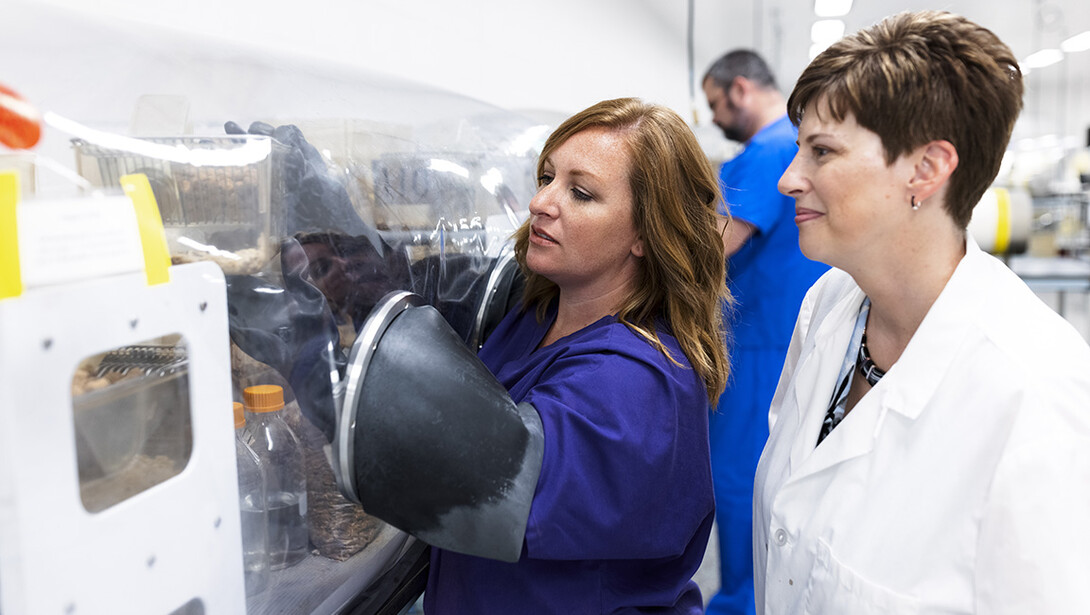
Who: Amanda Ramer-Tait, Maxcy Professor of food science and technology; Kristin Beede, research lab manager for Nebraska’s Gnotobiotic Mouse Program
What: Ramer-Tait co-led research recently published in Cell Reports Medicine that pinpoints a specific gut bacterium that could boost the body’s ability to fight melanoma. In collaboration with researchers at Cedars-Sinai and other institutions, and with support from Nebraska’s Gnotobiotic Mouse Program, Ramer-Tait demonstrated that Bacteroides uniformis and the metabolites it produces can help suppress tumor growth. The bacterium converts the amino acid tryptophan into indoles, which enhanced anti-tumor immunity in mice. In addition, the team found that in samples from human cancer patients receiving immunotherapy, there were increased levels of enzymes that produce indoles in those responding well to the therapy – suggesting that the indole-related mechanism may be contributing to better outcomes. The work was supported by funding from the National Institutes of Health and the University of Nebraska Medical Center’s Fred and Pamela Buffett Cancer Center.
“Our idea is that down the road, we could design microbiome- or diet-based interventions that provide beneficial microbes or the dietary substrates they need to enhance a patient’s response to immunotherapy,” Ramer-Tait said. “What’s especially exciting is that this approach has the potential to extend beyond melanoma because indoles play an important role in improving immune responses to other types of cancers, as well.”
Writer: Deann Gayman, University Communication and Marketing
Study explores social media’s role in tornado disaster communication
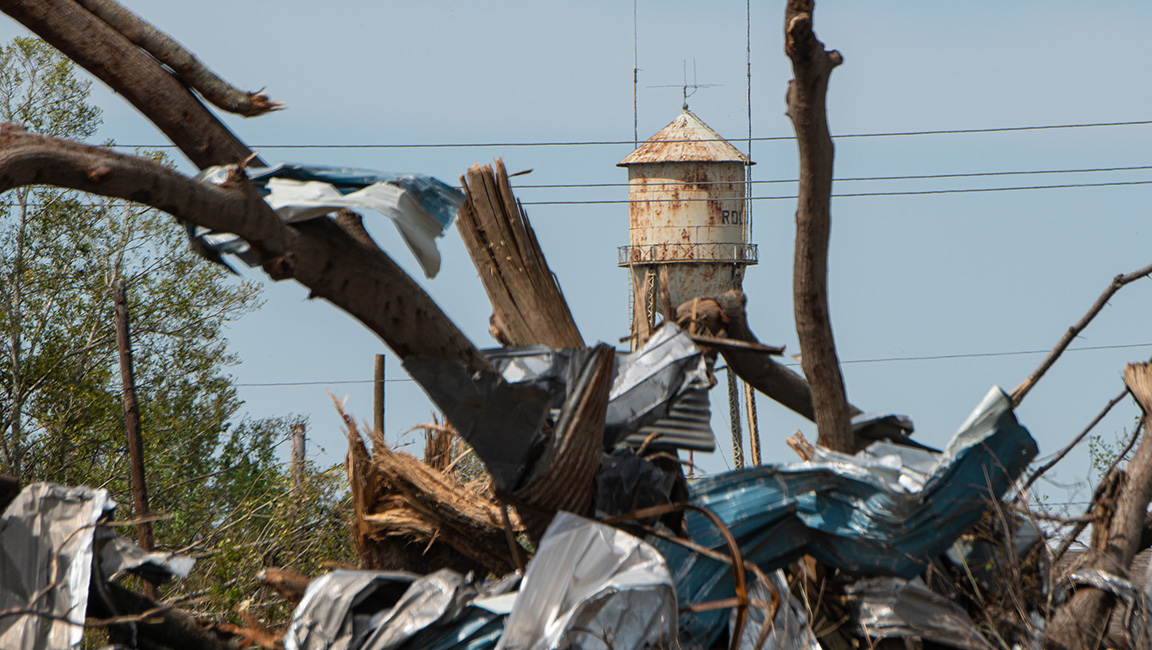
Who: Cory Armstrong, Lawrence L. and Ruth E. Pike Professor of Journalism; Matthew Van Dyke, associate professor of advertising and public relations at the University of Alabama
What: Armstrong and Van Dyke conducted a case study focused on social media communication before, during and after the March 24, 2023, tornado in Rolling Fork, Mississippi, which killed 17 people and injured dozens more. The researchers explored how digital platforms helped spread information throughout the disaster and identified gaps in communication, particularly related to reaching vulnerable populations during life-threatening events. The Rolling Fork tornado had two characteristics making it an interesting case study: it happened at night, and it struck a small rural community that is more than an hour’s drive from the nearest metro. Armstrong and Van Dyke found that preparedness discussions focused on damage predictions and severe weather forecasts, while mentions during the 48-hour period after the storm focused on assistance requests and emotional appeals. The researchers also interviewed disaster personnel, who noted communication difficulties in rural areas like lack of broadband access, sparse news coverage and a fragmented media landscape. The findings advance Armstrong’s research focused on disaster-related communication in rural communities, especially in Nebraska.
“We’re looking at all disasters, including wildfires, and how rural areas can develop and deploy communication strategies,” she said. “We know that some counties or entities do things well, but a disaster doesn’t stop at a county line. How can we share those resources and plans across counties and states? We’re still seeing a lot of silos.”
Writer: Deann Gayman, University Communication and Marketing
Mesonet crosses 100-station mark, serves wide range of Nebraska needs
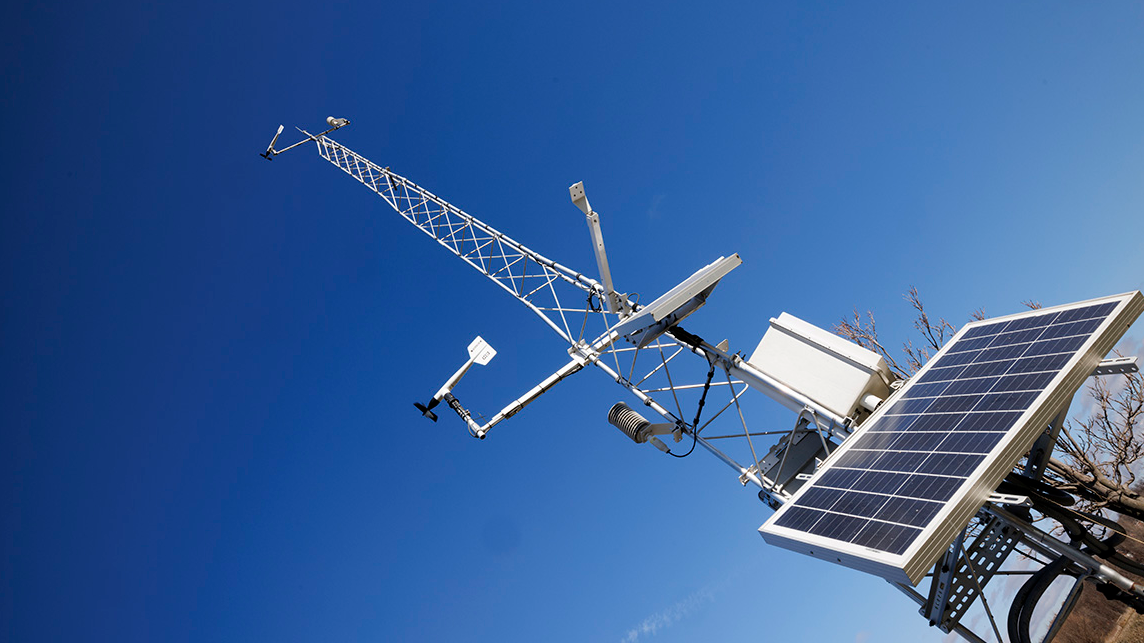
Who: Nebraska Mesonet; Ruben Behnke, mesonet director
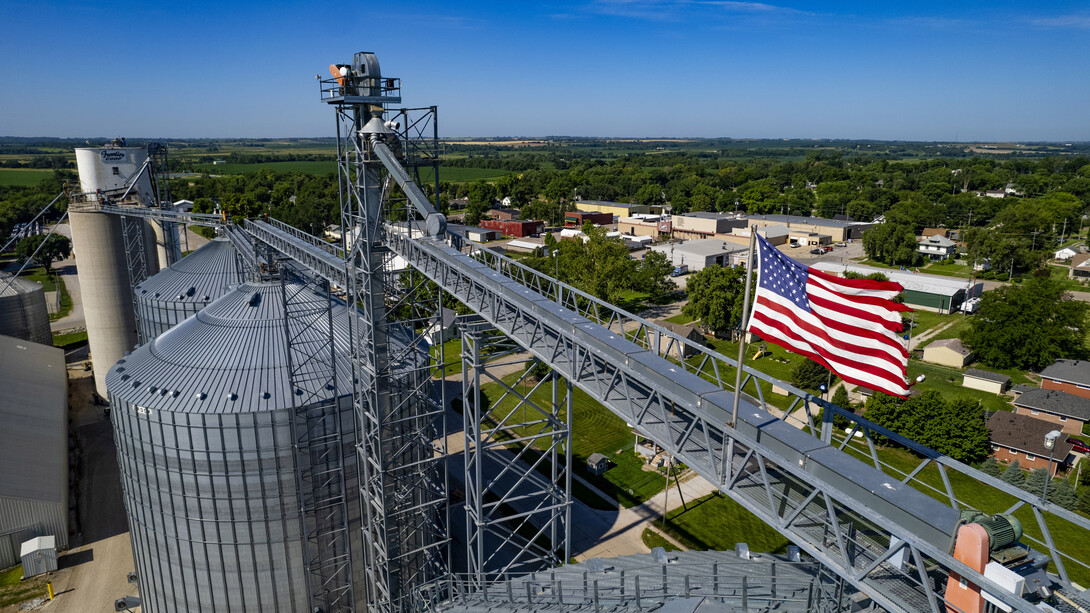
What: The Nebraska Mesonet weather station network is a key resource for the state’s agricultural sector, emergency personnel, and water and land managers. The network – established in 1981 as part of the university’s School of Natural Resources – crossed the 100-station mark this year, with a total of 104 weather-monitoring sites statewide. It helps guide decision-making by providing real-time information related to wind speed and direction, soil moisture, and humidity and temperature. Users rely on this information to make decisions about irrigation schedules, wildfire response, preparedness plans and more. Information from the network is incorporated into the U.S. Drought Monitor, a tool that governmental disaster aid programs rely on to allocate resources. Grant funding has enabled expansion and maintenance of the mesonet: In 2025, the system added 21 stations thanks to $1.48 million in funding from the U.S. Army Corps of Engineers, U.S. Department of Agriculture’s Farm Service Agency, and Lower Loup and Upper Elkhorn Natural Resources Districts. This year, funding from the USACE enabled installation of 10 additional stations, and an award from the National Oceanic and Atmospheric Administration in the fall will support maintenance and upkeep. A robust mesonet system is crucial to the public’s interest, said John Erixson, the Nebraska state forester.
“Every mesonet station we add strengthens our ability to support first responders, protect communities and build a more resilient Nebraska.”
Writer: Geitner Simmons, Institute of Agriculture and Natural Resources
New project explores multilingual students’ engagement with science of reading
Who: Lydiah Kiramba, associate professor of teaching, learning and teacher education
What: Kiramba is exploring how multilingual students engage with culturally sustaining science of reading-aligned instruction. She will work with multilingual children ages 6 to 12 in two community-based, afterschool literacy programs in Nebraska, with the goal of understanding how learners engage in reading activities that combine structured literacy practices with storytelling, multilingual meaning-making and multimodal expression. Kiramba will examine whether this approach supports stronger and more equitable reading development, including improved engagement in reading, more responsive instruction, and stronger foundational and literacy development for multilingual learners. The one-year project is supported by the William T. Grant Foundation, which invests in high-quality research focused on reducing inequality in outcomes for children and youth and improving the use of research evidence in decisions that affect young people in the United States.
“I want this project to contribute to a shift in how reading equity is understood and addressed in schools and communities,” Kiramba said. “I hope it provides educators, schools, afterschool programs, and policymakers with practical ways to design literacy instruction that reduces racialized and language-based disparities, expands opportunity and improves reading instruction for all learners.”
Writer: Kelcey Buck, College of Education and Human Sciences