
Posted April 3, 2026 by Tiffany Lee
In case you missed these stories highlighting research and creative endeavors at the University of Nebraska-Lincoln, the Office of Research and Innovation’s communications team has compiled a roundup of some top research stories from research.unl.edu and other sources.
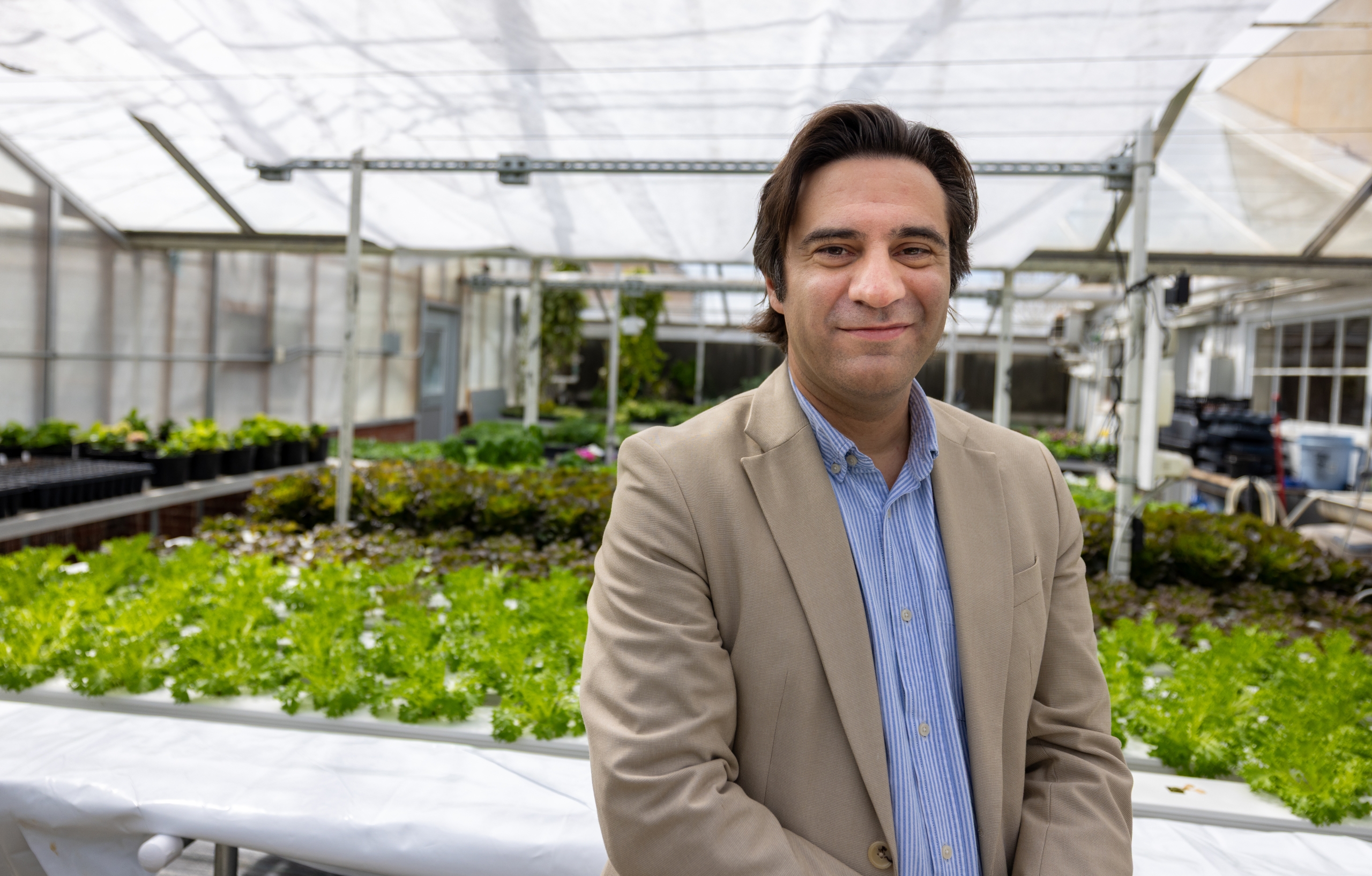
Study: Reported crop yield gains from breeding may be overstated
Who: Patricio Grassini, Sunkist Distinguished Professor of Agronomy; Juan P. Monzon, adjunct faculty in plant sciences; Kenneth Cassman, emeritus professor of agronomy and horticulture; Jose F. Andrade, UNL affiliate; Juan Rattalino Edreira, former research assistant professor in agronomy and horticulture
What: Five Huskers are part of an international research team that recently published a study in Nature Communications suggesting that decades of reported gains in crop yields from plant breeding may be significantly overstated. The team found that the standard, decades-old approach of measuring genetic progress does not differentiate between two types of breeding gains: increases in inherent yield potential, and ongoing “maintenance breeding” that keeps varieties adapted to evolving pests, diseases and changing climate conditions. Studying wheat from 17 locations in Argentina, France, the United Kingdom and the U.S., the team found that only about half of the wheat’s yield improvement is due to higher yield potential; the rest is attributable to maintenance breeding. This means the conventional approach of measuring progress – growing older and newer wheat varieties side by side and comparing their yields – may be overestimating how much breeding alone has raised the intrinsic yield potential of food crops over time. The findings have implications for agricultural research policy and investment and underscore the need for more robust evaluation methods.
Writer: Dan Moser, Office of Research and Innovation
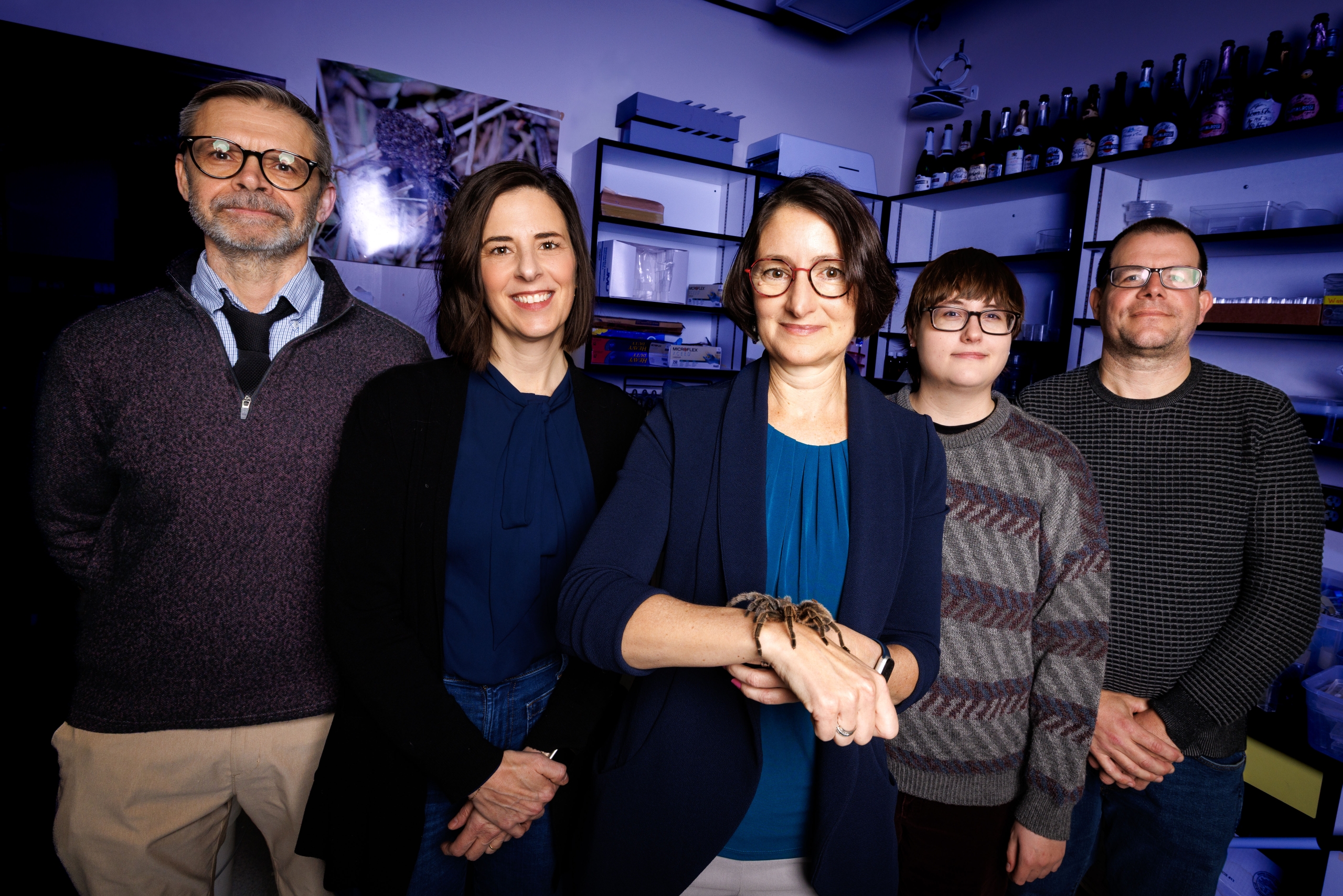
Husker researchers collaborate to explore fear of spiders
Who: Emma Brase, graduate student in psychology; Mike Dodd, professor of psychology; Eileen Hebets, George Holmes Professor of Biological Sciences
What: A Husker research team published a study that used state-of-the-art eye-tracking technology to pinpoint the physical characteristics of spiders that contribute to arachnophobia, with the longer-term goal of developing better mental health treatments for phobias and improving peoples’ relationships with nature. The team set out to better understand how people allocate their attention when looking at images of spiders and other arthropods. They measured participants’ eye movements to the millisecond as they looked at various photographs, both single images and pairs, using multiple eye-tracking metrics to identify patterns. As expected, when faced with a spider and non-spider image, participants generally avoided the former. Counterintuitively, when the choice was between a spider and a spider with an obvious “spider cue,” more attention was devoted to the spider-specific features. The researchers theorized this might be related to movement patterns: Spiders on a web or with eggs may appear less mobile and thus less frightening. The findings are expected to help scientists communicate spiders’ important ecological roles in biodiversity, pest control, crop protection and more.
“If I know what turns people off about arachnids, that can help me figure out how to avoid those things and focus on things that might turn people on about arachnids,” Hebets said.
Writer: Tiffany Lee, Office of Research and Innovation
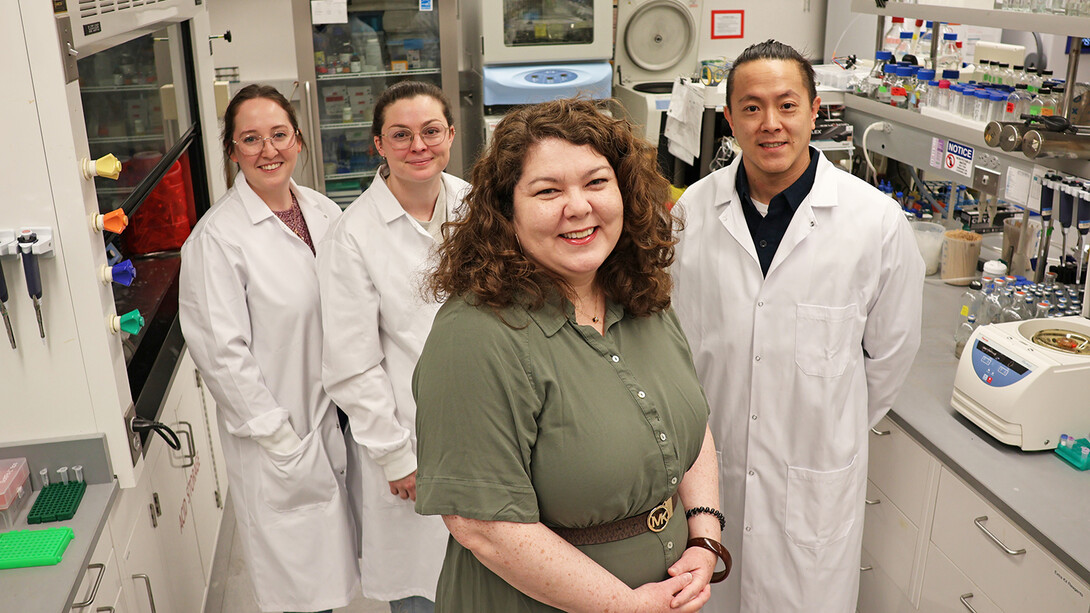
Buan aims to better understand biochemistry of methanogens
Who: Nicole Buan, professor of biochemistry
What: Buan received a three-year, nearly $1.1 million grant from the National Science Foundation to begin mapping the biochemical circuitry of methanogens, the tiny, methane-producing organisms found in diverse environments – lakes and wetlands, wastewater treatment systems and landfills, and even inside the human digestive tract. These microbes have a tiny energy budget – they produce just enough energy to sustain life – but researchers do not fully understand the cellular biochemistry underlying this thermodynamic feat. Buan’s team will study the chemical reactions that drive methanogen cells’ survival and growth, beginning with the protein enzyme Mer and continuing down the chain of metabolism. The approach is a departure from standard molecular approaches because it focuses on connections between cell components rather than individual parts. Nebraska has a unique mix of tools, facilities and specialized technical expertise that enables this approach.
“There are only a handful of labs that can reliably work with these organisms, and even fewer that can do genetic modification with them,” Buan said. “We’re one of the very few that can do genetics and synthetic biology in these microbes.”
Writer: Tiffany Lee, Office of Research and Innovation
University of Nebraska’s NSRI awarded $500 million contract to accelerate warfighter-ready solutions
Who: National Strategic Research Institute at the University of Nebraska
What: NSRI received a $500 million indefinite delivery, indefinite quantity contract from U.S. Strategic Command to deliver innovative research and development solutions that keep U.S. forces safe and maintain America’s technological edge through rapid-response research capabilities. With the agreement, NSRI continues to hold its designation from the U.S. Department of War as a University Affiliated Research Center, sponsored by USSTRATCOM and affiliated with NU. There are just 15 of these centers nationally. The IDIQ is not a direct funding commitment; it positions an organization to rapidly fulfill funded task orders for specific research without lengthy procurement processes. NSRI’s portfolio spans the threat spectrum and crosses multiple domains, including recent initiatives focused on electromagnetic operations analyses, acute radiation syndrome prophylactics, and comprehensive chemical, biological, radiological and nuclear solutions. The contract is the largest in the history of the University of Nebraska system, and is the fourth IDIQ that NSRI has received from USSTRATCOM.
“This IDIQ represents far more than a contracting mechanism – it’s a vote of confidence in the institute’s continued and future execution of critical research to meet national defense requirements,” said Maj. Gen., USAF (Ret.) Rick Evans, NSRI executive director.
Writer: Katelyn Ideus, National Strategic Research Institute
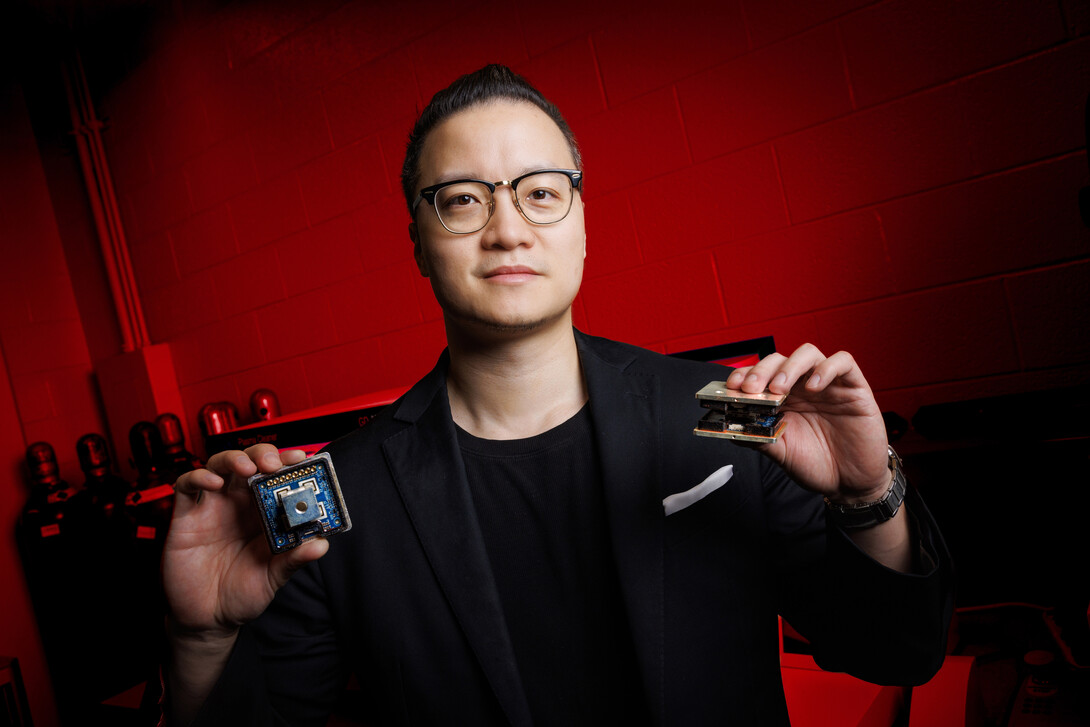
Husker engineer aims to make data centers more energy efficient
Who: Jun Wang, assistant professor of electrical and computer engineering
What: To manage the escalating energy demands of artificial intelligence infrastructure, Wang is developing a high-voltage semiconductor power module that improves energy efficiency at the point when electricity enters a center. He received a $1.8 million grant from the U.S. Department of Energy to advance work on LincolnPak, a device that mitigates the number of energy conversions that electricity undergoes in data centers, each of which adds cost, bulk and energy loss. Currently, large AI facilities receive power from the grid at medium voltage, then step it down through multiple phases before it reaches the chips inside graphics processing units. With LincolnPak, the process to chip-level voltage would include only three phases, meaning fewer components, lower losses and a simpler architecture aligned with next-generation data center roadmaps. Wang estimates the system could halve the power-conversion footprint and envisions a pathway to commercialization, including potentially launching a startup to license and manufacture the modules.
“We know AI isn’t slowing down,” Wang said. “So, our responsibility as engineers is to make sure the energy infrastructure keeps up: efficiently, sustainably and intelligently. If we can cut losses at the front door of the data center, that impacts scales everywhere.”
Writer: Karl Vogel, College of Engineering
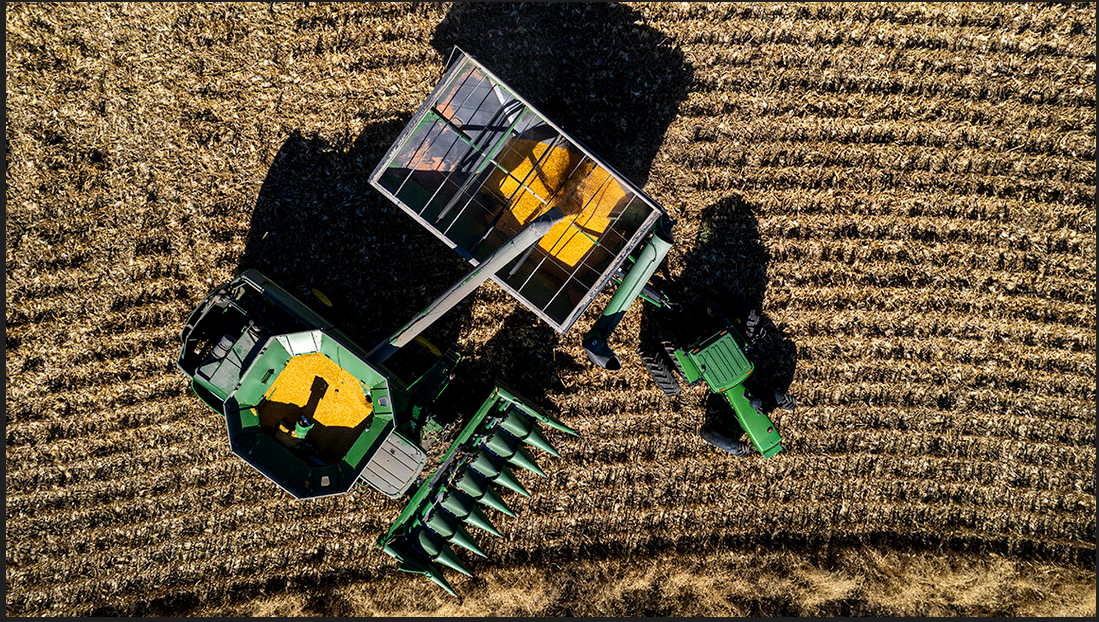
Research shows risk-averse producers sell earlier in grain marketing year
Who: Cory Walters, associate professor of agricultural economics; Simanti Banerjee and Karina Schoengold, professors of agricultural economics; Stamatina Kotsakou, assistant professor, California Polytechnic State University, San Luis Obispo
What: A Husker team published research offering a glimpse into how and why producers market their harvests, finding that producers with safety-first risk preferences likely make distinctly different grain-marketing decisions than those without. Producers with a “safety first” mentality – a behavioral basis for decisions made under risk and uncertainty to minimize the probability of a disastrous outcome and produce a minimal accepted return on investment – sell about 8.45% more of their harvest in the first month of the marketing year. It’s likely that many producers in the real world have this mindset, as 45% of experiment participants showed safety-first preferences. The researchers gamified the grain-selling process for study participants, systematically varying the economic incentives to study the evolution of decision-making in real time. The researchers examined participants’ choices, along with data about their risk preferences and attitudes, to glean information about grain marketing decision-making.
“This is a new theory to attach to grain marketing decisions, and by using this type of experimental design for asking these questions, we can see outcomes,” Walters said. “This is really the piece to get the conversation started, and we think this deserves more attention in the literature.”
Writer: Deann Gayman, University Communication and Marketing
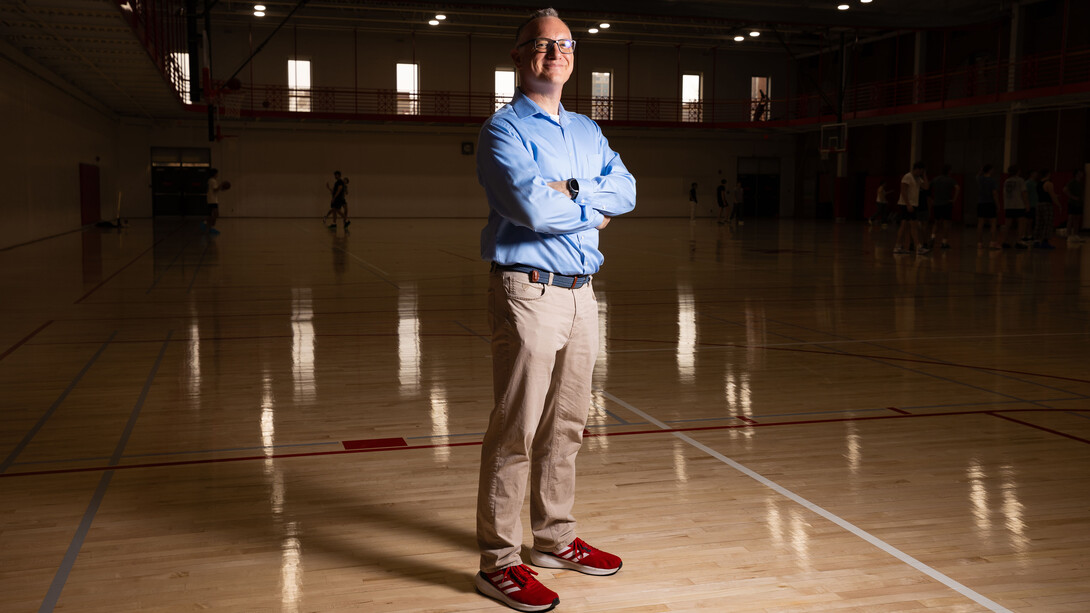
Study finds women’s games underrepresented in sports betting coverage
Who: Brian Petrotta, assistant professor of sports media and communication; Travis Bell, University of South Florida
What: Though women’s sports are growing in popularity, research from Petrotta and Bell shows that media coverage of sports betting is not giving them more attention. The pair’s forthcoming study analyzes four years of March Madness sports betting coverage, with an eye toward how the women’s tournament is represented. The researchers focused on questions like the amount of time spent on women’s sports, how prominently female broadcasters are featured and who was recommending bets during the show. They found programming dedicated about 10% of airtime to the women’s tournament, and fewer than 9% of picks recommended were related to the women’s tournament. Female broadcasters made up about 16% of on-air talent making betting recommendations. The study also found that on-air experts discussing the women’s games were more likely to be former coaches or players analyzing game play, whereas the experts brought on for men’s games were selected for their knowledge about betting.
“When talking about women’s sports, they would often break down the Xs and Os,” Petrotta said. “They didn’t always recommend bets necessarily. With the people talking about men’s sports, they generally were not coaches; they were not former players, so that’s something that’s probably worth exploring more from a credibility standpoint.”
Writer: Kristina Jackson, University Communication and Marketing
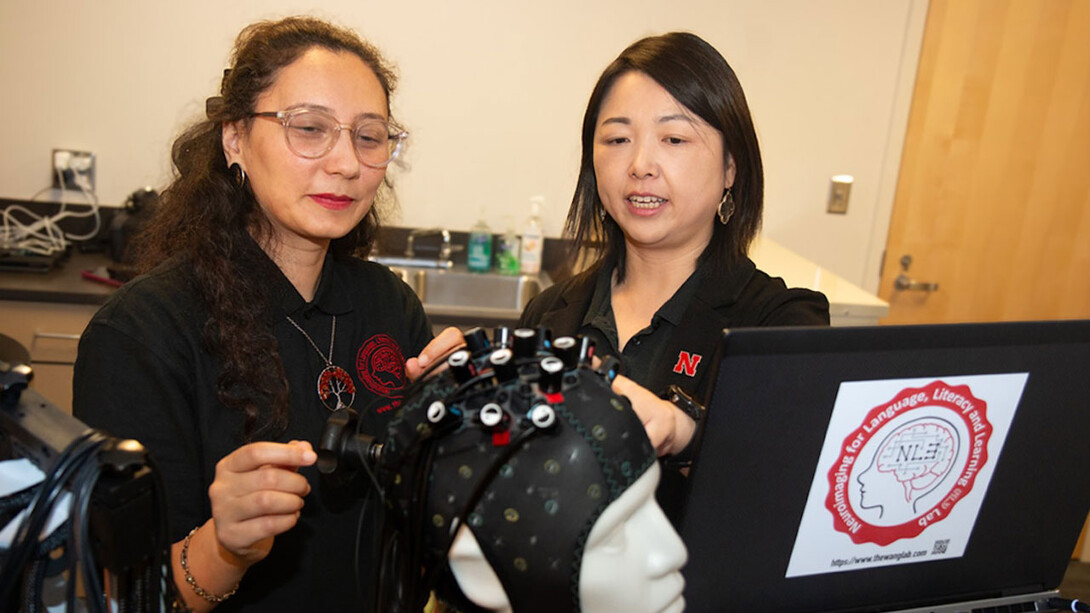
Brain imaging offers insights into cochlear implant success
Who: Yingying Wang, associate professor of special education and communication disorders; Michelle Hughes, professor of special education and communication disorders; Jonathan Hatch, neurotologist and assistant professor at the University of Nebraska Medical Center; Hongying (Daisy) Dai, professor of biostatistics at UNMC; collaborators at The Ohio State University
What: Wang recently finished a National Institutes of Health-funded project to identify factors that determine the best candidates for cochlear implants, which are complex electronic devices that improve hearing in individuals with severe to profound hearing loss. The study, housed in the Nebraska Center for Research on Children, Youth, Families and Schools and the Center for Brain, Biology and Behavior, also explored the relationships between the brain and speech perception outcomes – the process by which language is heard, interpreted and understood. Wang’s team found that age and hearing thresholds significantly affect the connectivity and network efficiency of the brain, and that a visual analog of the temporal envelope – a visual tool that mirrors the timing and rhythm of speech – benefits speech perception in moderately noisy environments for cochlear implant users. The researchers measured speech sound-related brain activity before participants received cochlear implants, then continued monitoring those patterns, along with speech perception, afterward. The goal was to determine why some people have better outcomes and to better understand how the brain’s ability to change and adapt may set the stage for success.
“By examining the brain’s neuroplasticity, we may be able to determine pre-surgery interventions to benefit patients,” Wang said.
Writer: Chuck Green, CYFS
Ticketmaster’s Eras Tour chaos made worse by crisis communication failures
Who: Dane Kiambi, associate professor of advertising and public relations
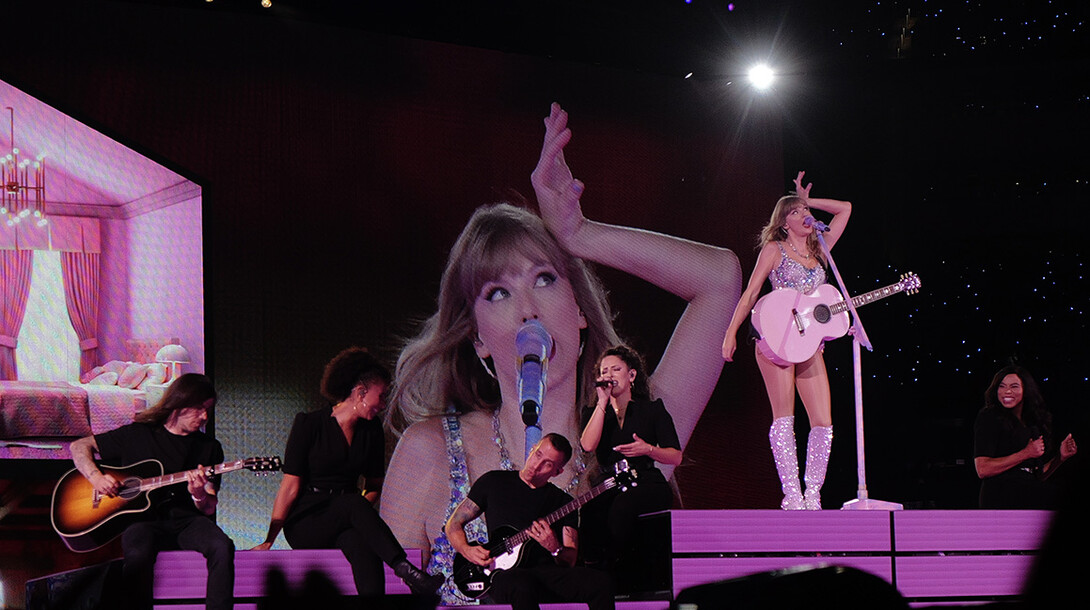
What: Kiambi and former Husker journalism student Katie Zabel recently published a case study focused on Ticketmaster’s crisis communication failures related to its ticketing platform’s failures during the Taylor Swift Eras Tour presale. The research focused on whether the company’s response to the situation aligned with stakeholder expectations and best practices for managing crises in digital services, and how the company’s strategies deepened already low public trust and triggered an antitrust lawsuit filed by the U.S. Department of Justice. Kiambi and Zabel analyzed Ticketmaster’s communications within the Situational Crisis Communication Theory framework, which is the leading roadmap for reputational management in a crisis. They explored the company’s communications, as well as social media reactions and media coverage, during late 2022 and early 2023, finding that Ticketmaster’s approach of denial, justifications and partial apologies heightened public dissatisfaction and played a role in harming the company’s reputation, culminating in the antitrust litigation. Kiambi plans to incorporate the case study into his curriculum, hoping it will spark discussion about the importance of crisis communications plans.
“When crisis communications are done well, they stay hidden, but when it goes wrong, it’s visible everywhere, and Ticketmaster did everything wrong,” Kiambi said.
Writer: Deann Gayman, University Communication and Marketing