Posted January 9, 2026 by Tiffany Lee
In case you missed these stories highlighting research and creative endeavors at the University of Nebraska-Lincoln, the Office of Research and Innovation’s communications team has compiled a roundup of some top research stories from research.unl.edu and other sources.
Major NSF grant supports innovative Husker plant pathology project
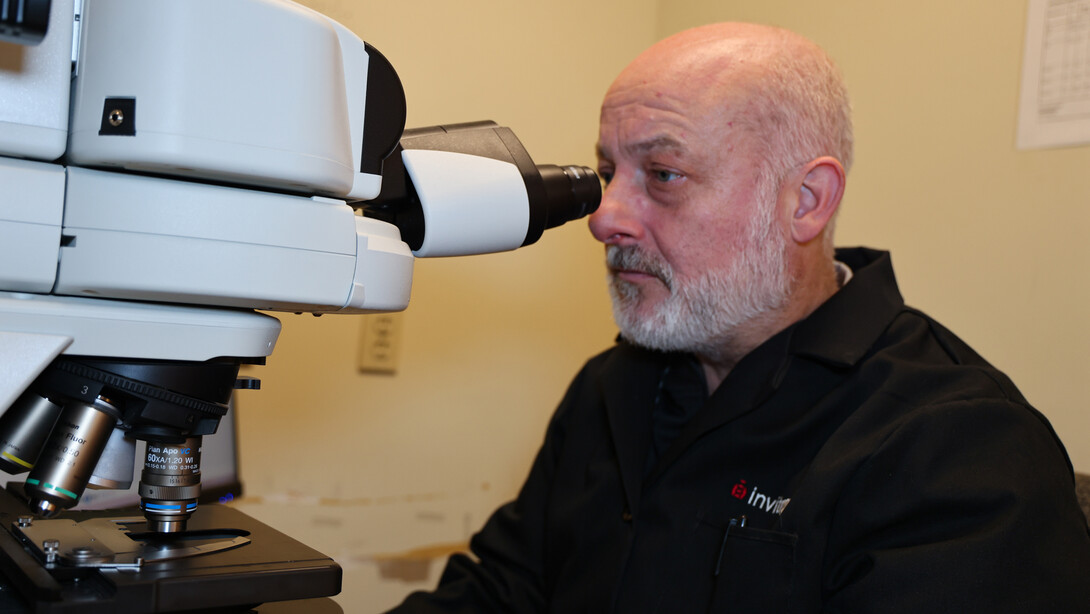
Who: Richard Wilson, Charles Bessey Professor of plant pathology; Nawaraj Dulal, postdoctoral research associate in plant pathology; Nisha Rokaya, doctoral student in plant pathology; Ben Wheeler, master’s student in plant pathology
What: Wilson recently received a $769,792 grant from the National Science Foundation, which his team will use to investigate virulent proteins called effectors, which are responsible for short-circuiting plants’ natural defenses against fungal disease. Wilson’s focus is Magnaporthe oryzae, the rice blast fungus that annually destroys up to 30% of global rice production. To this point, scientists have struggled to use conventional bioinformatics analyses to pinpoint effectors’ role in plant infection because, unlike conventional proteins, they lack a common genetic sequence and their genes readily mutate, rearrange or disappear. The Husker team will use innovative analytical methods to better predict which fungal proteins are effectors, pinpoint how pathogens fine-tune effector release to maintain infection and identify the signal that allows secretion of effectors into plant cells. The work may lead to identification of resistance genes in host plants, which will enable plant breeders to develop cultivars with stronger defenses against attack.
“They (effectors) have no features to tell us what they might do, or where they might go, or whether they’re going to go into the plant,” Wilson said. “Effectors are extremely important to find, but difficult to find.”
Writer: Geitner Simmons, Institute of Agriculture and Natural Resources
Dishari building next generation of highways for ions – one nanoscopic lane at a time
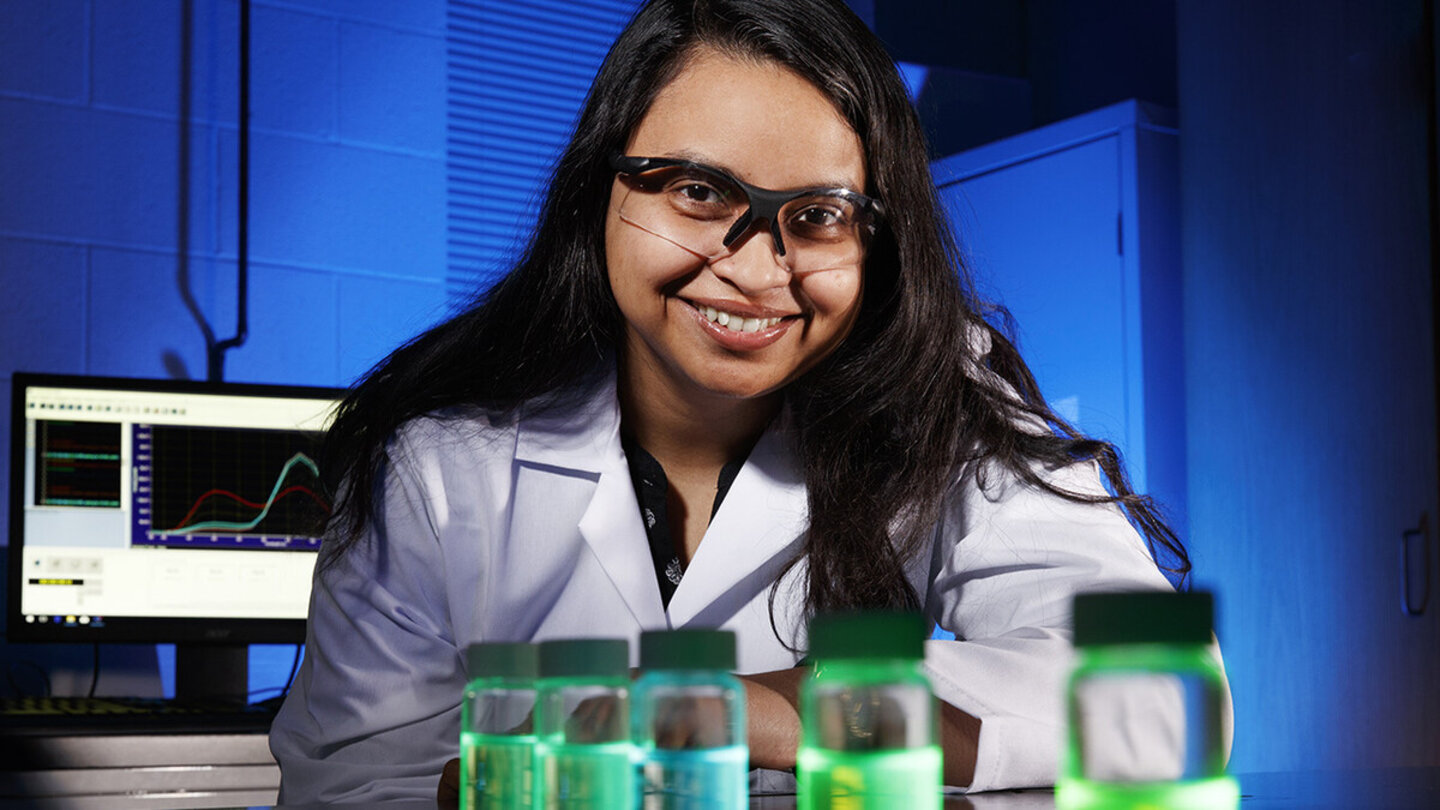
Who: Shudipto Dishari, Ross McCollum Associate Professor of chemical and biomolecular engineering
What: With a 3.5-year, $886,000 grant from the U.S. Department of Energy’s Basic Energy Sciences program, Dishari is engineering ultrathin polymer layers for the purpose of precisely channeling ions toward catalyst particles on electrodes. By creating ion channels that are orderly and predictable, the work could reshape next-generation energy technologies and ignite breakthroughs across myriad fields. Though all electrochemical devices rely heavily on ion transport, ions are often left “wandering” because they move through channels that are random and created by chance. Dishari’s approach, which draws inspiration from nature’s blueprint, would eliminate this uncertainty by stacking ionomers piece by piece, creating customized, planned and repeatable ion channels. The ability to precisely control ions’ movements will lead to devices with enhanced efficiency and reliability, as well as longer lifetimes.
“This innovation has the potential to ripple across many technologies from batteries, fuel cells, electrolyzers, electrodialyzers to artificial ion pumps for drug delivery, bioprotonic devices, artificial ATP synthesis constructs, neuromorphic electronics, and more,” Dishari said. “We are creating an exciting new design frontier – one that positions Nebraska in the national energy innovation landscape.”
Writer: Karl Vogel, College of Engineering
Roads, development disrupt movement of young mountain lions in California
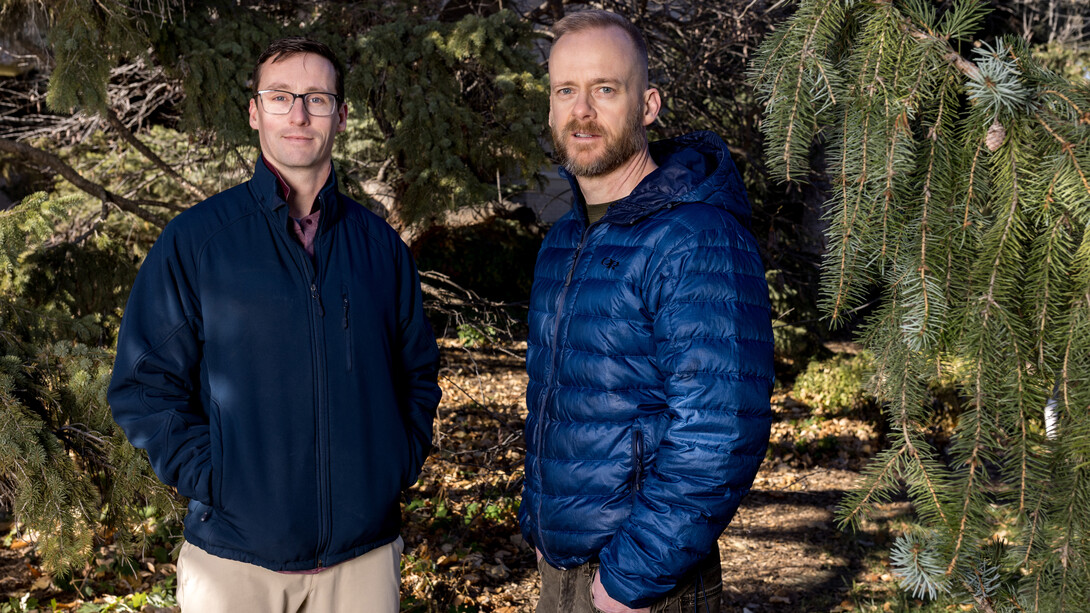
Who: John Benson, Susan J. Rosowski Associate Professor of vertebrate ecology; Kyle Dougherty, postdoctoral researcher in natural resources
What: Dougherty is lead author of a study that helps explain why mountain lion populations across California are more different genetically than normal for a wide-roaming predator. The researchers found that young mountain lions avoid highly developed areas and crossing busy roads during the ecological process called “dispersal,” which is when the animals move large distances seeking natural habitat to establish breeding ranges. In tracking 87 “subadult” mountain lions with GPS collars, the team found that the animals’ movements were constrained by human infrastructure, breaking connectivity between different mountain lion populations. This, in turn, causes reduced genetic diversity and population decline. However, the researchers found that young mountain lions can use even small patches of forest and shrub as corridors through urban sprawl, suggesting adaptability and the potential role of wildlife crossing structures. The team generated a detailed map showing the ease, or difficulty, of the animals’ movement across California.
“The map is a direct reflection of the decisions that subadult mountain lions make as they move through the landscape,” Benson said. “It highlights critical linkages needed to maintain movement of mountain lions and their genes between populations and will inform conservation strategies to restore connectivity to this fragmented landscape.”
Writer: Leslie Reed, University Communication and Marketing
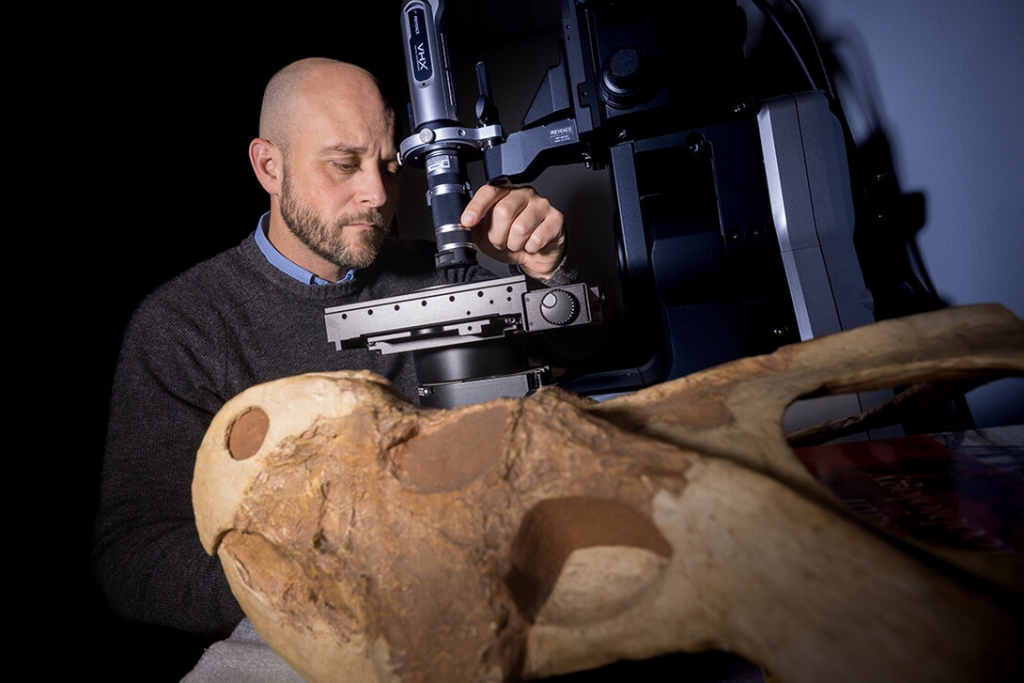
Study confirms Nanotyrannus was diminutive, distinct species from T. Rex
Who: Ashley Poust, Voorhies Endowed Curator of Vertebrate Paleontology for the University of Nebraska State Museum
What: Poust is part of a team that is helping to end the decades-long scientific debate on whether Nanotyrannus, a teacup variation of the Tyrannosaurus rex, existed. Poust and the team, led by Christopher Griffin of Princeton University, took a novel approach to determine the maturity of the Nanotyrannus holotype – the official reference specimen, which is a fossil skull at the Cleveland Museum of Natural History. To analyze it, the researchers examined the hyoid bone, which was intact with the skull, and determined that its growth patterns suggested maturity or approaching maturity. This indicated that the animal was an adult when it died, not a juvenile Tyrannosaurus rex. This likely concludes the scientific debate regarding whether Nanotyrannus existed, as it follows a recent paper in Nature that also examined a suspected Nanotyrannus fossil found in Montana. Settling this debate, however, raises new questions about predator diversity and ecosystem dynamics.
“You’re left with at least two different sized meat eaters in the same environment, which has some big implications for ecology and the extinction of dinosaurs,” Poust said. “Knowing more about what existed gives us a sense of how big the fossil record is and how species change through time. And understanding the complexities of an ecosystem is important.”
Writer: Deann Gayman, University Communication and Marketing
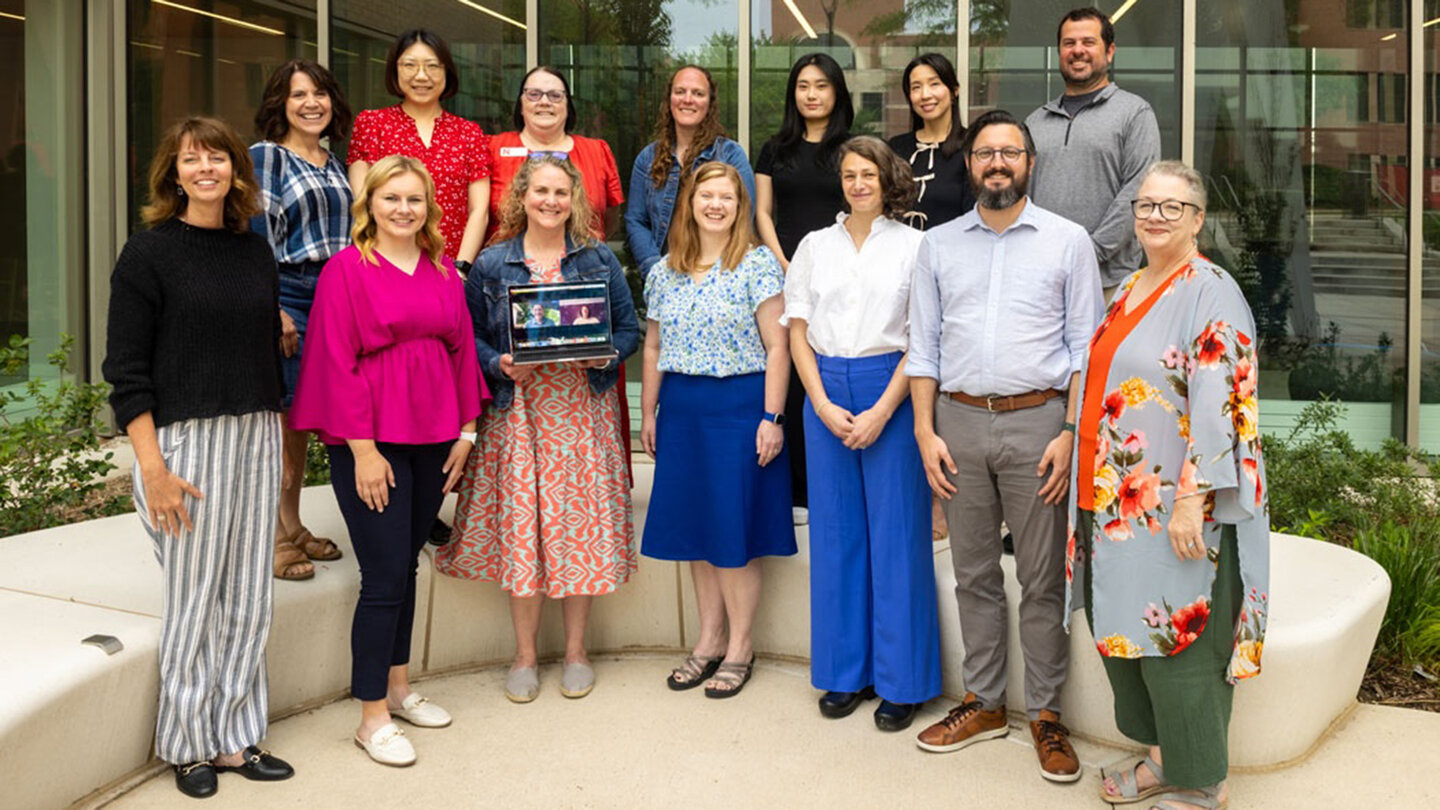
Nebraska reading development program targets student literacy, educator growth
Who: Pam Bazis, assistant professor of special education and communication disorders; Emily Fisher, assistant professor of practice in teaching, learning and teacher education; Sarah Zuckerman, associate professor of educational administration; Michael Hebert, associate professor in the School of Education at the University of California, Irvine
What: Bazis is leading an extension of the Nebraska WORDS project, with the goal of expanding the initiative’s reach to fifth grade. WORDS – Workshops on Reading Development – launched just before the 2020 pandemic to help schools meet the 2018 Nebraska Reading Improvement Act requirements. Bazis and Fisher, who co-direct the university’s Kit and Dick Schmoker Reading Center, partner with the Nebraska Department of Education to deliver WORDS, which is a research-based professional development program that promotes effective strategies to deliver high-quality reading instruction and assessment. The expansion will also include individualized literacy coaching, literacy leader and administrator training, and targeted after-school tutoring. The WORDS partnership serves more than 7,000 students, including many with disabilities, multilingual learners and children from low-income backgrounds. The
overall UNL consortium, including WORDS Plus, is funded by a $2.2 million Comprehensive Literacy State Development grant from NDE.
“It’s been a great partnership with the state,” said Bazis, an affiliate of the Nebraska Center for Research on Children, Youth, Families and Schools. “We’re going to be making quite an impact across Nebraska as we continue this important work.”
Writer: Chuck Green, CYFS
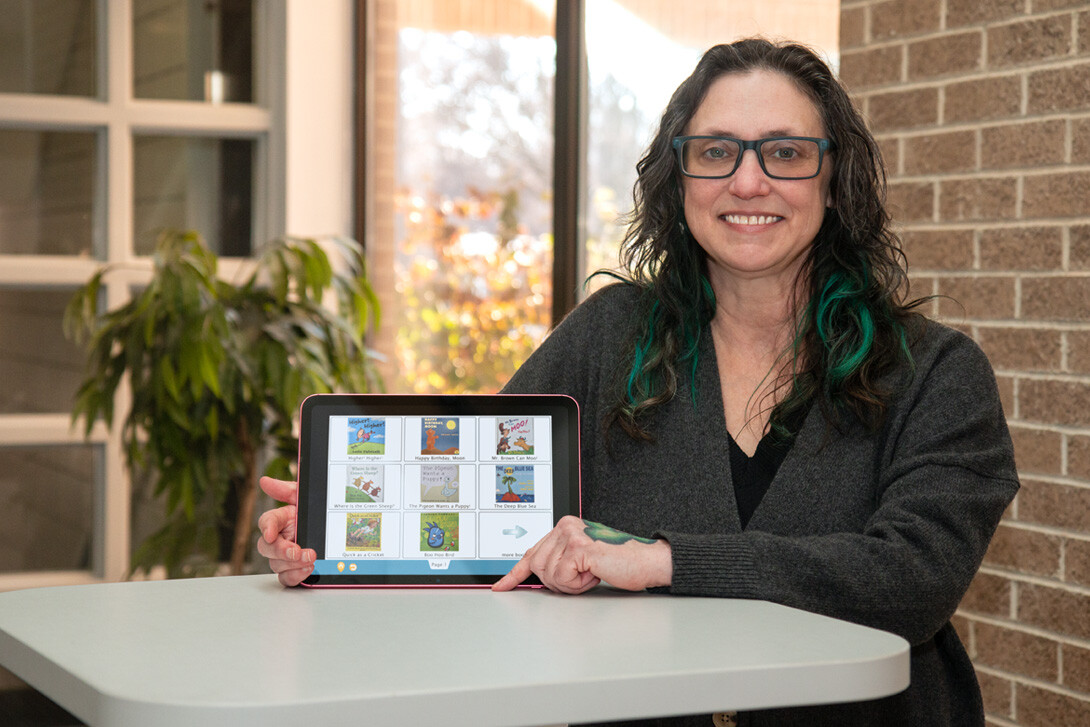
Researchers work to improve communication support for children with autism
Who: Birdie Ganz, professor of special education and communication disorders
What: With funding from the Institute of Education Sciences, Ganz recently led a project aimed at developing guidelines for teachers and parents on how to select and implement communication enhancement treatment for children with autism – such as speech therapy, behavioral therapy, or alternative or augmentative communication. Ganz analyzed published data to see how treatment intensity – such as how often and how long it is provided – relates to how well it works for autistic and intellectually and developmentally disabled children. The researchers found that many studies did not fully report the intensity of treatments, making it hard to understand what level of support works best. To maximize the potential of alternative and augmentative communication for people with autism, additional research is needed to determine the most efficient way of providing these services while maintaining good outcomes.
“Communication opens the door for almost all areas of learning, especially social learning and literacy,” Ganz said. “It’s important that everyone has opportunities to learn such foundational skills.”
Writer: Chuck Green, CYFS
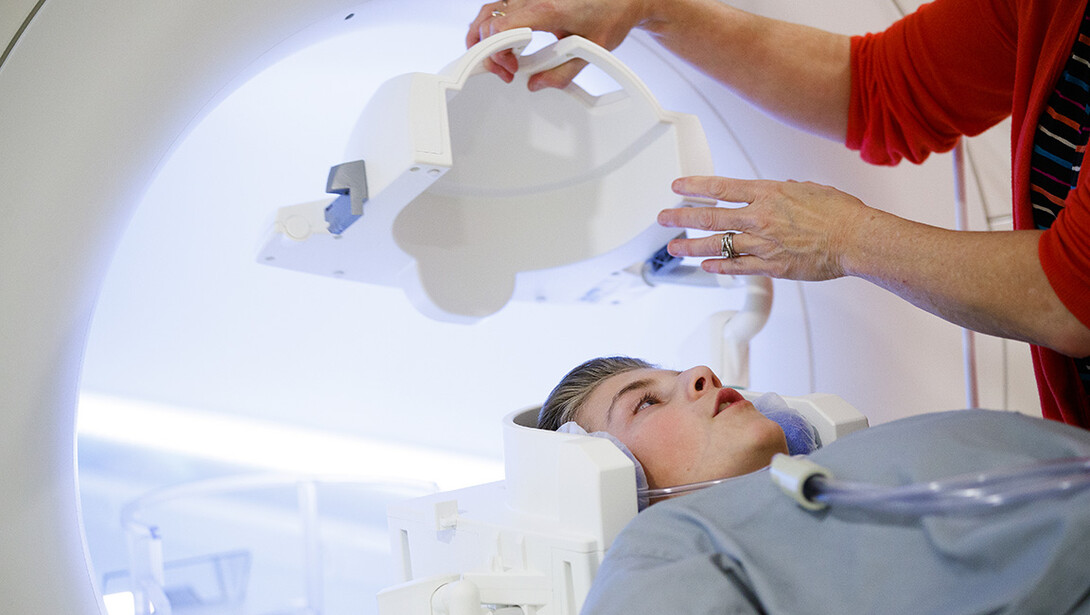
Team publishes road map for advancing health equity
Who: Changmin Yan, associate professor of advertising and public relations; co-authors across UNL and partner health agencies
What: Yan led a research team in publishing a new policy paper that calls for innovative, place-based solutions to advance health equity in Nebraska and beyond. The paper, which appeared in Frontiers in Public Health, brings together findings and policy recommendations from a statewide symposium of more than 180 public health leaders and community stakeholders. The authors focused on Nebraska’s “dual burden” of rural provider shortages and urban socioeconomic inequities, highlighting the need for policies tailored to each region’s unique drivers of health inequity. Their recommendations include expanding pediatric mental health services; embedding social determinants of health interventions like housing and nutrition; strengthening healthcare access via telehealth, mobile clinics and more; and enhancing policy coordination across state, community and local levels. These strategies may serve as models for other states with rural-urban health divides. The work was supported by the university’s Grand Challenges initiative.
Writer: University Communication and Marketing
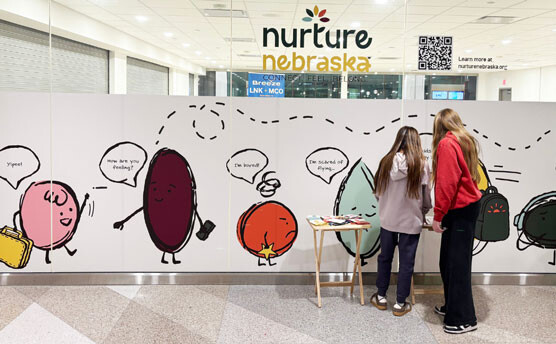
‘Nurture Nebraska’ builds support for children’s social, emotional growth
Who: Jacht, the student-run advertising agency in the College of Journalism and Mass Communications; Jemalyn Griffin, associate professor of practice in advertising and public relations; Changmin Yan, associate professor of advertising and public relations
What: A new statewide campaign led by Husker students and faculty aims to boost awareness about the importance of children’s social and emotional development from birth to age 5, and how those skills lay the foundation for lifelong success. The campaign, called Nurture Nebraska, highlights how day-to-day interactions – warm greetings, kind responses or a little extra patience – help children develop confidence and skills that benefit them throughout life. The campaign draws on evidence-based research from the university and other sources and makes the science accessible to Nebraskans through a multi-media mix of visuals, storytelling and practical tips. This includes statewide radio spots in both English and Spanish, digital signage and videos at the Lincoln and Omaha airports, community events and social media. The program is funded by a Grand Challenges grant from the Office of Research and Innovation and operates within TransformED, a research initiative aimed at supporting Nebraska’s young children and early childhood educators.
“We want Nebraskans to understand what social and emotional development looks like in everyday moments and how nurturing these skills helps children connect, feel and belong,” said Yan, an affiliate of the Nebraska Center for Research on Children, Youth, Families and Schools. “This creative effort, grounded in research and lifted up through real Nebraska stories, is designed to spark small acts of care today that will help ensure a brighter future for the youngest generation – and for all of Nebraska.”
Writer: Dana Ludvik, CYFS