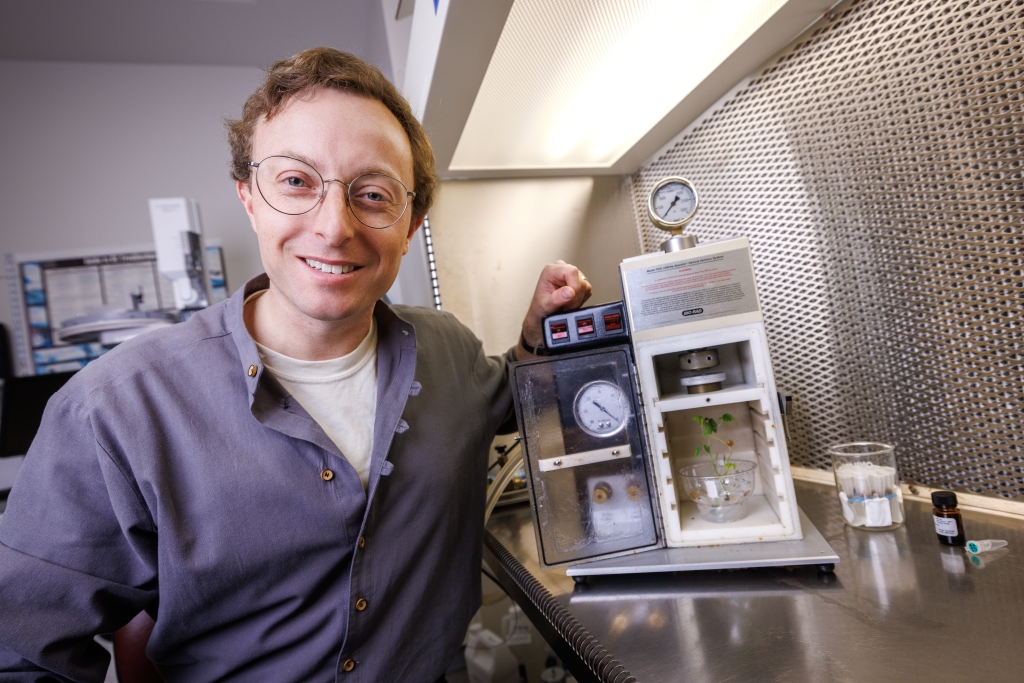
Dan Moser, May 1, 2026
Plant Transformation Core Research Facility key to improving plants
This is the fourth story in a series featuring UNL’s research core facilities and their capabilities.
The University of Nebraska-Lincoln’s Plant Transformation Core Research Facility helps plant scientists give plants new abilities by precisely modifying and introducing DNA, developing more productive crops and deepening understanding of how plants work.
“It’s really about supporting crop improvement through biotechnology,” said Nathan Butler, assistant professor of agronomy and horticulture. “We work with plants that matter to Nebraska, to U.S. agriculture and to food systems around the world.”
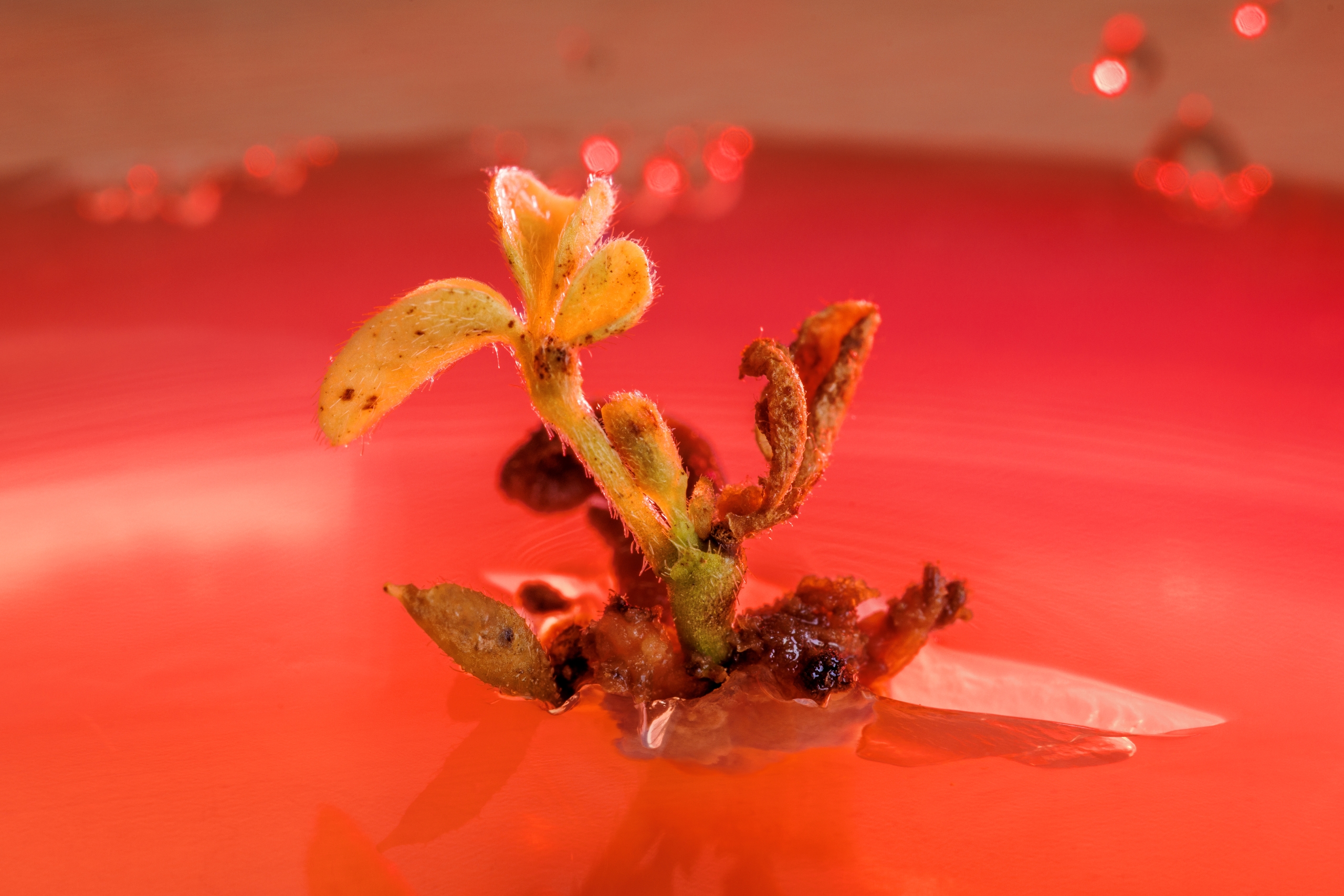
The process involves designing new pieces of DNA and delivering them into plant cells. From there, researchers regenerate whole plants carrying those new traits. Those traits might improve drought tolerance, enhance oil production for sustainable fuels or help answer fundamental questions about plant genetics.
“We want to better understand how DNA affects plant biology,” said Butler, the facility’s director.
Within UNL, the center works with genetics and breeding programs for corn, soybeans, wheat and sorghum. Researchers also work with several model and vegetable species—including tobacco, tomato, potato and Arabidopsis—that allow scientists to rapidly test ideas and better understand plant biology.
Arabidopsis, though not a food crop, is part of the cabbage and mustard family and is especially useful.
The first plant to have its genome sequenced, Arabidopsis helps researchers understand the molecular biology underlying many plant traits.
The work is highly specialized. While some model species, such as tobacco, are relatively easy to modify, staple crops such as wheat, corn and soybean are far more challenging. Success rates can be dramatically lower, requiring extensive expertise, sophisticated laboratory methods and considerable patience.
Its expertise has made the facility a valuable resource for researchers across campus and beyond. It currently collaborates with 13 laboratories at Nebraska and about 10 external partners, including other universities and private industry. The facility also provides fee-for-service work for researchers using model species.
The facility serves as a cornerstone of UNL’s Center for Plant Science Innovation, where many scientists rely on its capabilities to study genes and develop new crop traits.
In the future, AI could accelerate the design of new genetic constructs and streamline the engineering process. Researchers are also expanding the use of advanced gene-editing tools, including CRISPR, to more quickly integrate beneficial traits into university breeding programs.
Those efforts are especially important because crop breeding moves fast. New plant varieties are constantly being developed, and incorporating valuable traits into each generation can be a race against time.
“It can feel like a treadmill,” Butler said. The facility’s goal is to help breeders move faster and with more precision.