Posted May 1, 2026 by Tiffany Lee
In case you missed these stories highlighting research and creative endeavors at the University of Nebraska-Lincoln, the Office of Research and Innovation’s communications team has compiled a roundup of some top research stories from research.unl.edu and other sources.
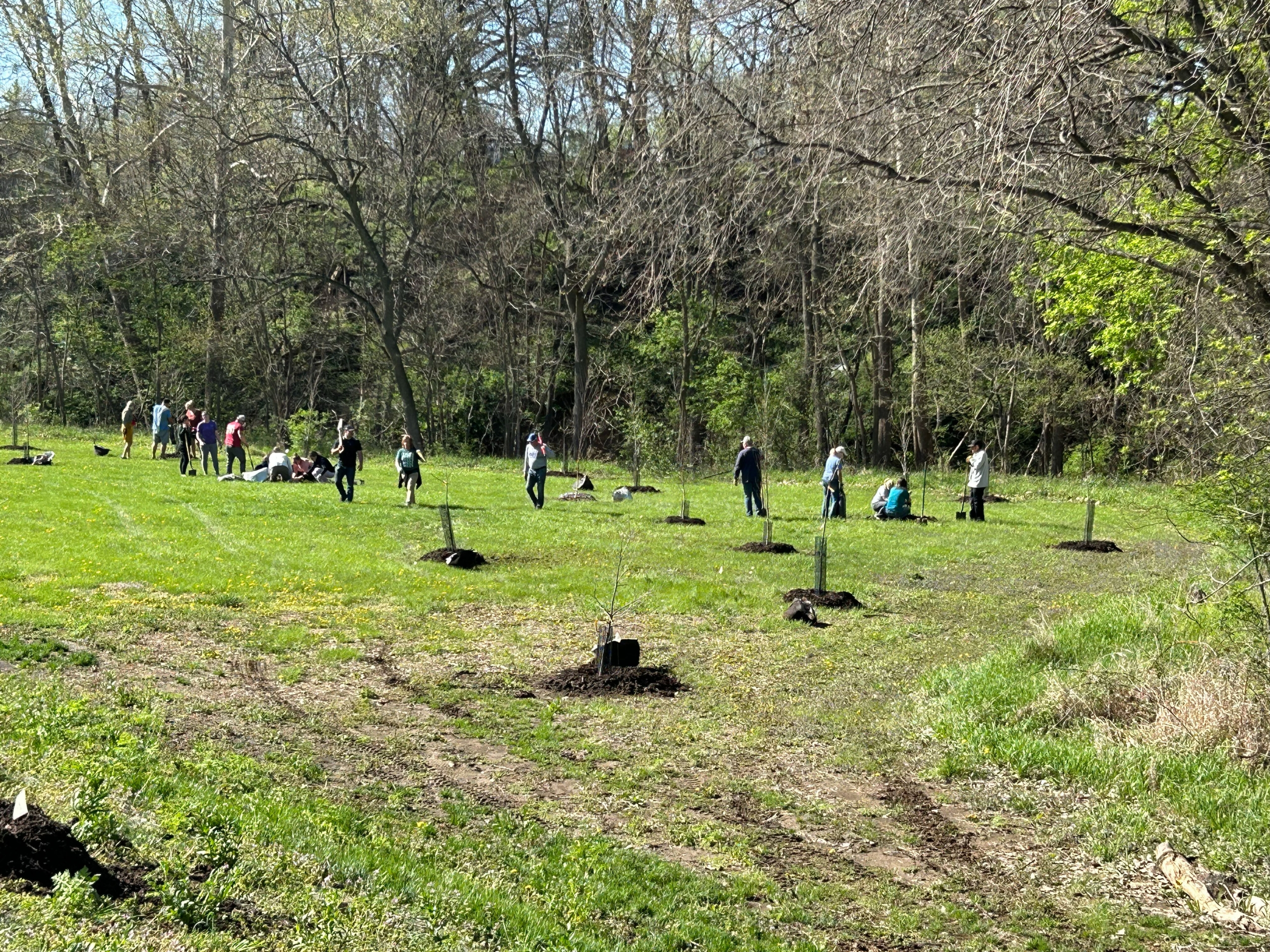
Grant supporting community tree project
Who: Hanna Pinneo, executive director of PlantNebraska
What: PlantNebraska, a statewide nonprofit, is partnering with the university to manage a $10 million grant from the U.S. Forest Service aimed at helping Nebraska communities reimagine how trees can strengthen infrastructure, aesthetics, local economies and resilience. The grant is impacting a wide range of communities, from rural villages to Nebraska’s largest metro areas. As the five-year project nears its halfway point, UNL and PlantNebraska have led the way in planting nearly 900 trees, removing more than 600 hazardous ones and providing forestry training to nearly 30 people. Examples of project impact include: removal of a dying tree on a residential property in Gordon, Nebraska, that posed a threat to students walking to a nearby school; removal of hazardous trees and new plantings in Omaha city parks like Hanscom, Levi Carter and Benson; and new landscaping around Gothenburg’s Impact Center, which will provide shade to a children’s play area.
“This is the on-the-ground impact of the university,” Pinneo said. “You can look at every tree planted and see UNL and PlantNebraska at work in your community – shoulder-to-shoulder with the people living there.”
Writer: Tiffany Lee, Office of Research and Innovation
Husker scientists name novel microorganism after Nebraska
Who: Karrie Weber, professor of biological sciences and Earth and atmospheric sciences; Nicole Fiore, former Husker graduate student and postdoctoral researcher at Dartmouth College
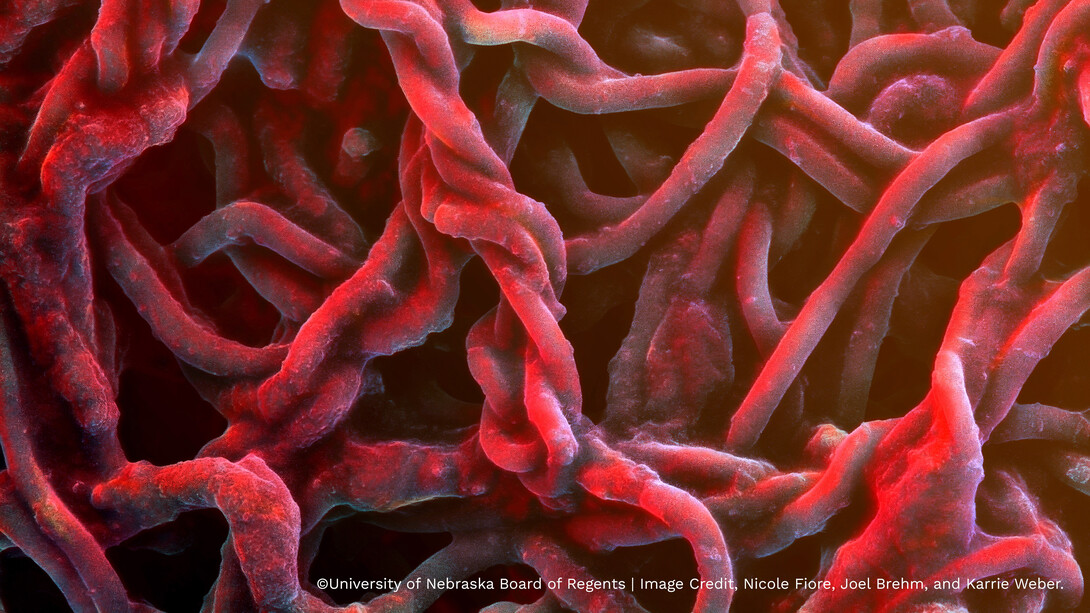
What: A recent publication in the International Journal of Systematic and Evolutionary Microbiology announced the Nebraska-inspired name of a newly discovered methanogen: Methanobacterium nebraskense, which is the first organism in the domain Archaea to be named after Nebraska. The publication culminated a more than five-year endeavor of Weber and Fiore to isolate, culture and demonstrate the novelty of the methanogen, which was collected from the nationally unique and endangered Eastern Saline Wetlands in and around Lincoln. Their approach focused on analyzing genomic data to pinpoint the microbes’ unique metabolic pathways, then using that information to design culture conditions to promote growth. They also eliminated cohabiting microorganisms through a tailored antibiotic cocktail. The duo then demonstrated the microorganism’s novelty and submitted it to two culture conditions, following the process governed by the International Code of Nomenclature of Prokaryotes.
“Microorganisms often are named after locations in which they were isolated from, but there were a lot of Nebraska ties here, so it seemed like an especially fitting and appropriate name,” Weber said. “The cells themselves had a cool phenotype. We also had a lot of support from the Nebraska Center for Biotechnology, the Nebraska Center for Energy Sciences, the Holland Computing Center and other resources on campus.”
Writer: Tiffany Lee, Office of Research and Innovation
Nebraska Engineering’s Wang earns major DOE award to build missing ‘bridge’ for quantum superhighways
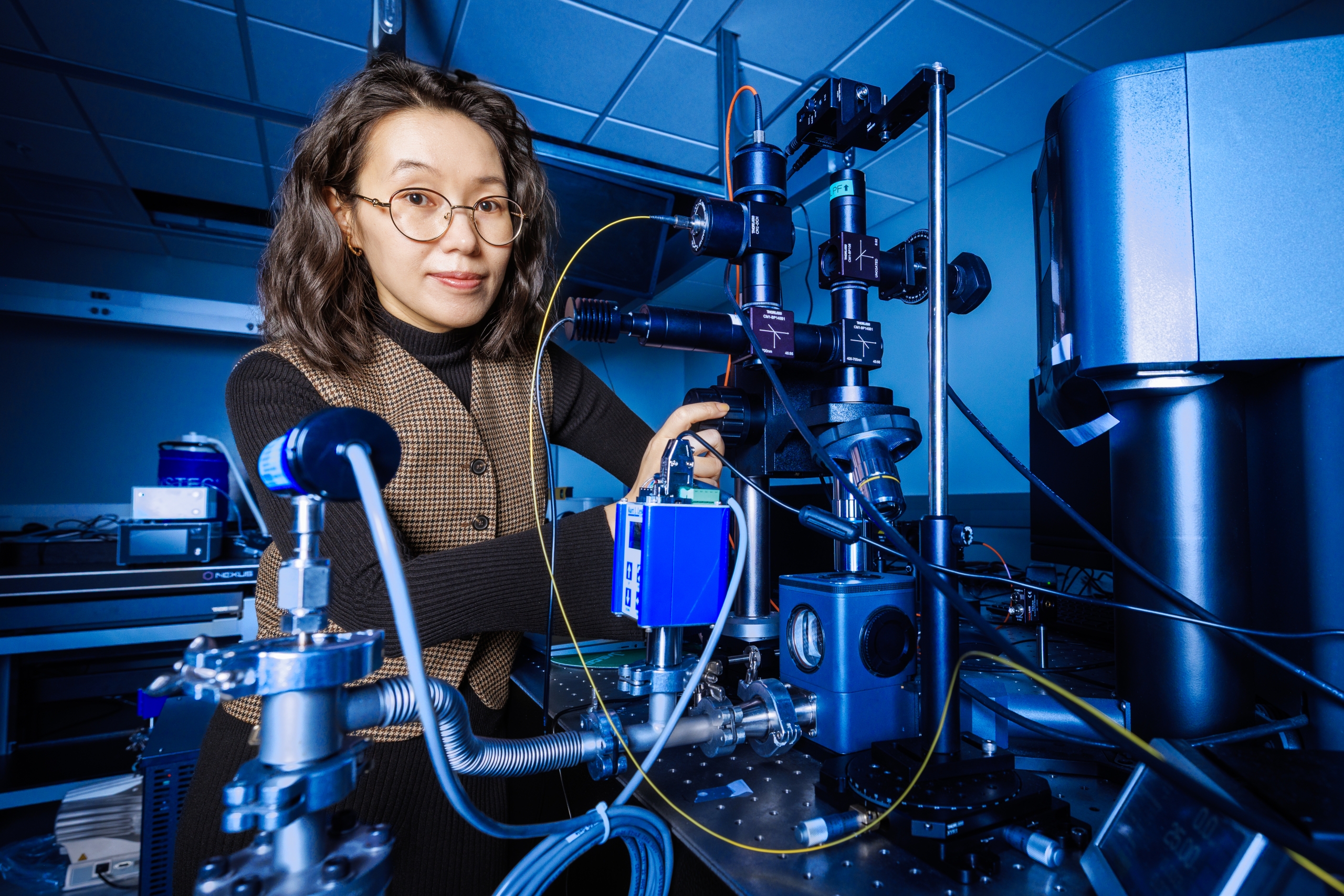
Who: Yanan (Laura) Wang, assistant professor of electrical and computer engineering
What: Wang received a five-year, $876,663 award from the U.S. Department of Energy’s Early Career Research Program, one of the agency’s most competitive grant programs. Her work is aimed at solving a longstanding engineering problem in quantum technology: enabling long-distance communication between advanced quantum computers, which are the supercharged machines capable of solving the world’s most complex problems. The problem is a significant frequency mismatch: Quantum computers operate using microwave frequency signals, while the systems that link them use light at frequencies hundreds of thousands of times higher. Wang is devising a “bridge” using a strategy that focuses on quantum grade mechanical resonators and waveguides, devices capable of interacting with both microwave and optical signals. Her team will build these devices using van der Waals-layered crystals, which can be peeled down to a single atomic layer while retaining exceptional strength. Wang’s work positions Nebraska at the forefront of building the next era of computing.
“Going from the classical (system) to quantum is a natural transition, but it’s like things were for personal computer users in the 1990s when the internet started to become more commonly used,” Wang said. “We need that bridging capability (in the quantum realm), and we have the expertise (at Nebraska) to do it right.”
Writer: Karl Vogel, College of Engineering
Researchers develop promising new vaccine against bird flu
Who: Eric Weaver, professor of biological sciences and director of the Nebraska Center for Virology; Joshua Wiggins and Adthakorn Madapong, postdoctoral fellows in the School of Biological Sciences
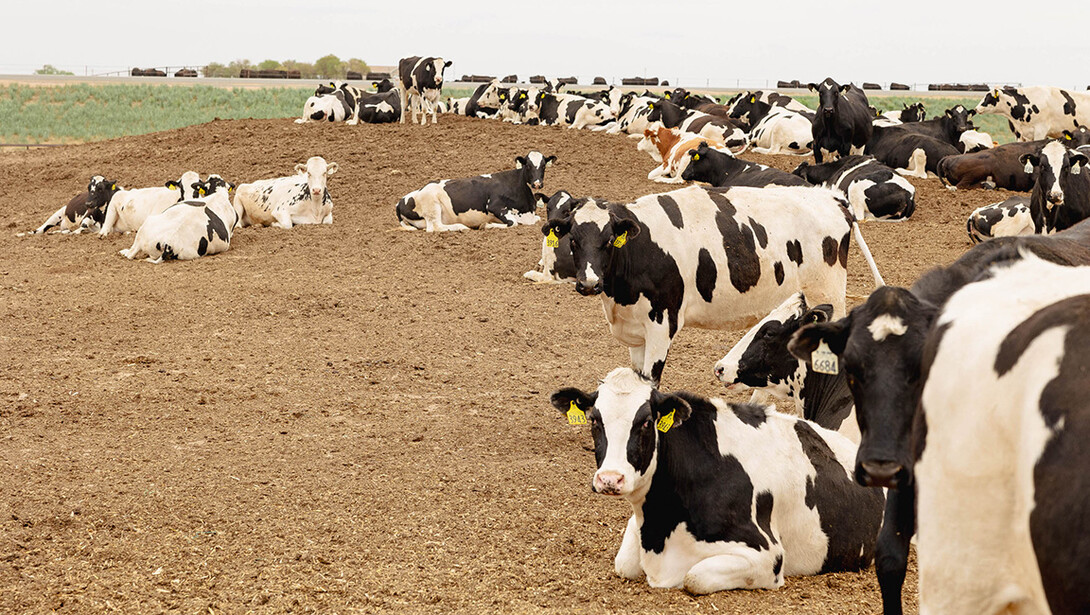
What: Weaver led the team in developing a new vaccine platform aimed at protecting against multiple strains of avian influenza, or H5N1, which in 2024 spread to dairy cattle – an unprecedented interspecies transfer – and subsequently caused illness in about 70 farm workers with close contact to infected animals. Partnering with the university’s Animal Care Team, Weaver’s group tested the vaccine in mice and dairy calves, producing strong immune responses and complete protection against severe disease in preclinical models. This indicates the strategy could offer protection for livestock, which would fill a major gap: There are currently no licensed H5N1 vaccines for cattle. The vaccine also has potential to be effective in humans. The team’s text step is seeking funding and potential partnerships to further evaluate the vaccine, including development of a multispecies option. Protecting cattle from H5N1 would reduce economic losses for producers as well as limit opportunities for the virus to adapt and spread to humans.
“Historically, these things will move into other species if there is extended contact long enough for the evolution to occur,” Weaver said. “Influenza A viruses have never been an issue in cattle, but it is now, and it’s not going away.”
Writer: Deann Gayman, University Communication and Marketing
Who: Maital Neta, Happold Professor of Psychology and resident faculty in the Center for Brain, Biology and Behavior
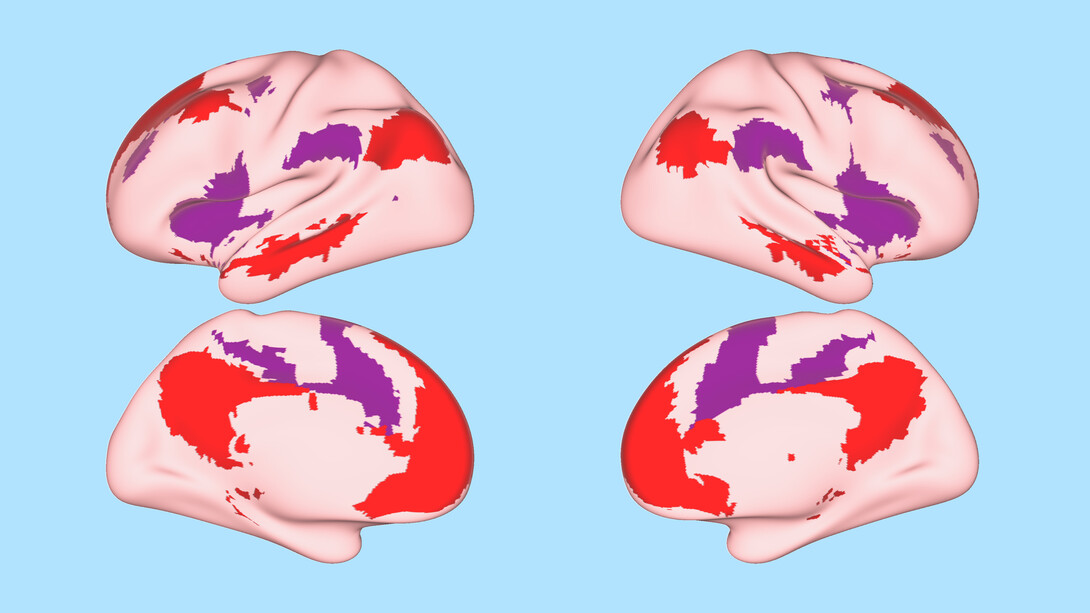
What: Neta published a paper exploring how valence bias – the brain’s split-second determination about whether an ambiguous situation is good or bad – operates across brain networks, and the mental and physical health implications for individuals based on their valence bias. The bias develops over a person’s lifespan, with many children having a negative valence bias until about 10 years old, at which point they typically begin to see things more positively. Children who don’t experience the shift from negative to positive, and adults with more negative valence bias, are more likely to experience depression and anxiety. Neta said that simple assessments of valence bias could be used as early interventions, especially for children. The research also sheds light on how the brain works as a whole: Whereas most research has focused on the role of the amygdala in processing emotions, Neta’s work has revealed the importance of other structures.
“There really needs to be a much greater appreciation of the entire brain, because your whole brain is kind of working through these situations,” Neta said. “There’s a whole network of regions that are really important and help resolve what’s happening in front of you. Considering the whole brain would really enrich the science moving forward.”
Writer: Deann Gayman, University Communication and Marketing
Husker research provides irrigation rules to save water, increase profits
Who: Erkut Sönmez, associate professor of supply chain management and analytics; Derek Heeren, professor of biological systems engineering and irrigation engineer; Baris Ata, University of Chicago Booth School of Business
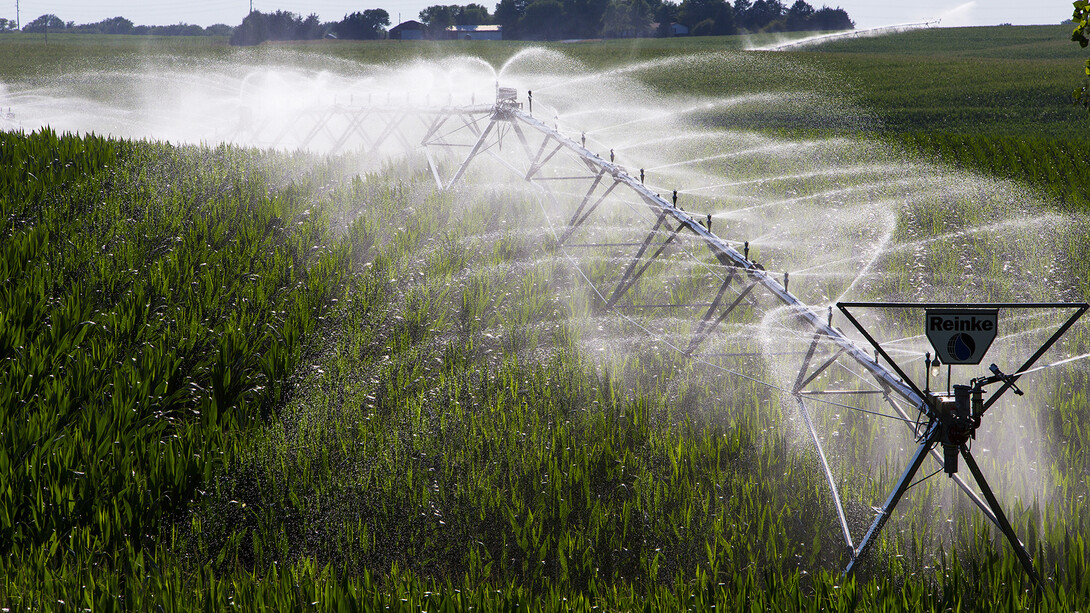
What: In an interdisciplinary study merging supply chain management and agriculture, the research team outlined a practical way for farmers to manage irrigation more efficiently and increase their profits. The paper sets forth a set of rules that guide farmers in deciding when to water their crops and when to stop based on soil moisture thresholds. The system operates like a thermostat, automatically maintaining the right balance, which is increasingly important as water supply continues to decline in many regions. The researchers tested their approach by comparing their irrigation policies against traditional practices through extensive computer simulations using historical farm conditions, soil characteristics, weather patterns and economic factors. They found the benefits of their system grew stronger as water becomes scarcer, making it potentially more valuable in drought-prone regions. The next step is to test the system in the field and eventually develop similar approaches in other areas of farm management, like nitrogen fertilizer application.
“This work shows how methods from one field can be applied in entirely new ways,” Sönmez said. “I look forward to continuing to combine these disciplines to improve efficiency and sustainability across a wide range of agricultural applications.”
Writer: Sheri Irwin-Gish, College of Business
Research uncovers finances as key challenge for Nebraska mental health practitioners
Who: Mun Yuk Chin, assistant professor of counseling psychology and a research affiliate at the Nebraska Center for Research on Children, Youth, Families and Schools; Davianna Daydreamer and Jace Meunier, graduate research assistants in educational psychology
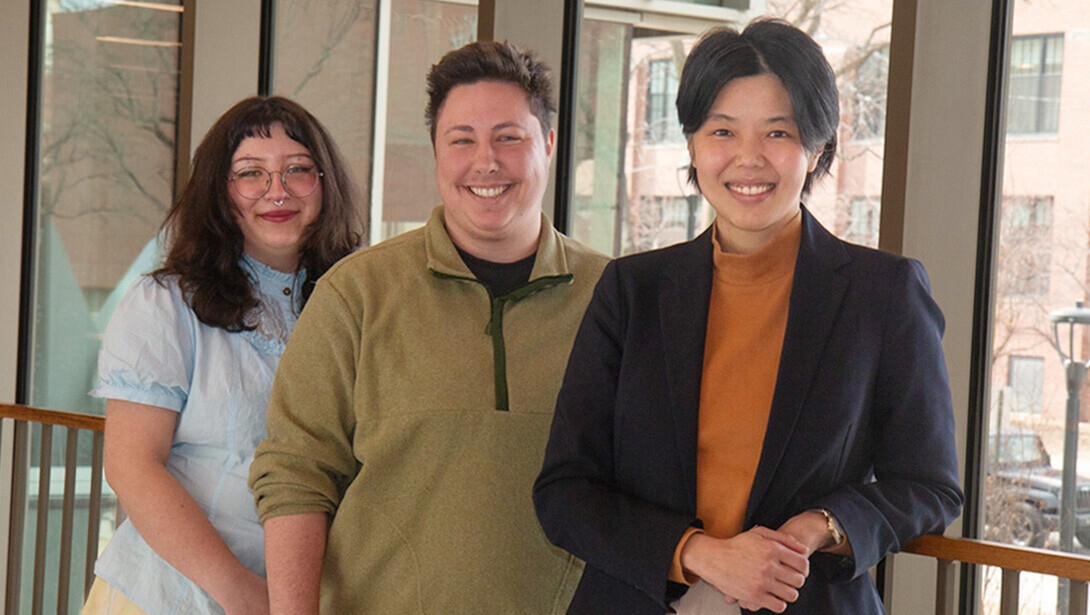
What: Nebraska faces a critical shortage of mental health practitioners, with burnout, work-related stress and finances all contributing to that trend. With Layman Award funding from the Office of Research and Innovation, Chin’s team set out to better understand how these factors relate to practitioners’ work satisfaction and personal mental health – with a focus on the role of financial stress. Chin’s team interviewed 14 licensed mental health practitioners and therapists in Nebraska who are experiencing financial uncertainty, with the goal of better understanding how financial stress develops and how it affects practitioners’ work satisfaction and personal well-being. They discussed concerns like navigating managed care systems like insurance; the cost of starting an independent practice; and pay equity issues. The findings highlight a potential need to expand curricula to include more financial education for aspiring mental health practitioners and advocacy for equitable compensation.
“There tends to be undervaluation of mental health services when you look at how practitioners in certain settings are compensated for their work,” Chin said. “Those in a health service profession care deeply about helping people and want to serve the public. But we sometimes neglect to talk about what it means to sustain those who do the work. Money is a part of that.”
Writer: Chuck Green, Nebraska Center for Research on Children, Youth, Families and Schools
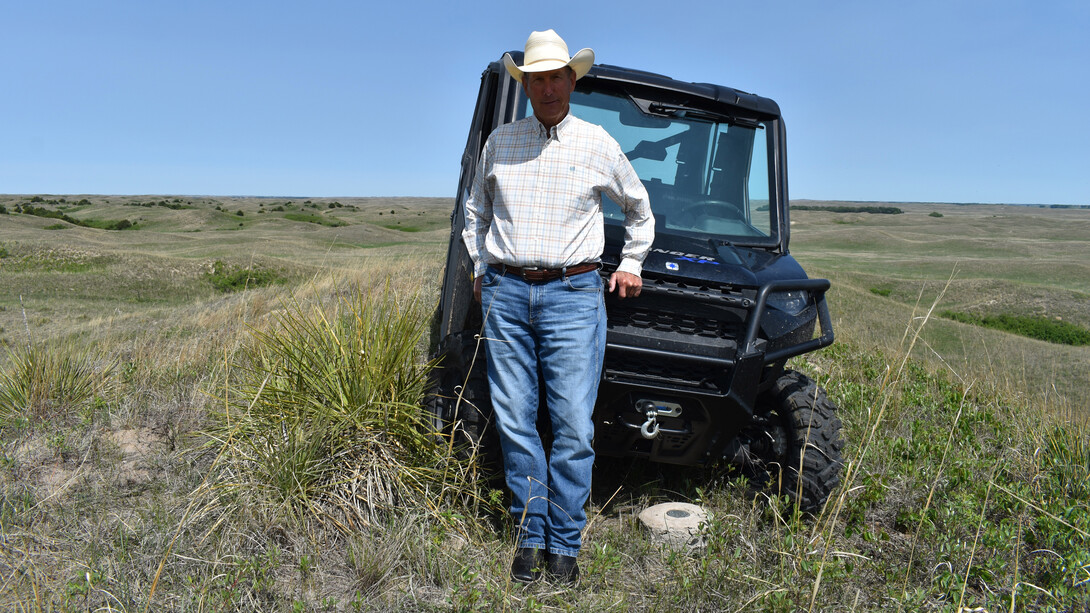
Nebraska ranchers share land decisions through UNL research project
Who: Effie Athanassopoulos, associate professor in the School of Global Integrative Studies; Gwendŵr Meredith, assistant professor in agronomy and horticulture and the School of Natural Resources; Galen Erickson, Nebraska Cattle Industry Professor of Animal Science and Beef Feedlot Extension Specialist
What: Athanassopoulos and Meredith are interviewing ranch families across Nebraska to explore how their management decisions – including choices about grazing, infrastructure and stewardship – evolve over generations, with the larger goal of understanding how producers adapt research findings into their operations. The pair’s efforts are the social science component of a $5 million research project led by Erickson, which focuses on sustainable beef production and grazing systems. The first round of interviews has focused on ranches near the Barta Brothers Ranch in the Sandhills, where many of the participating families have managed the same land for three or four generations. Many ranchers have described how ongoing collaboration with the university influences how they manage grazing systems, water distribution and pasture management. They also view themselves as stewards of the land who aim to leave it in good condition for the next generation. Ultimately, the researchers hope to better understand how scientists and producers can work together to support resilient grazing systems.
“They interact with the university and integrate research into their own lands,” Athanassopoulos said, describing it as “a conversation between science and practice.”
Writer: Natalie Jones, Institute of Agriculture and Natural Resources