Posted January 30, 2026 by Tiffany Lee
In case you missed these stories highlighting research and creative endeavors at the University of Nebraska-Lincoln, the Office of Research and Innovation’s communications team has compiled a roundup of some top research stories from research.unl.edu and other sources.
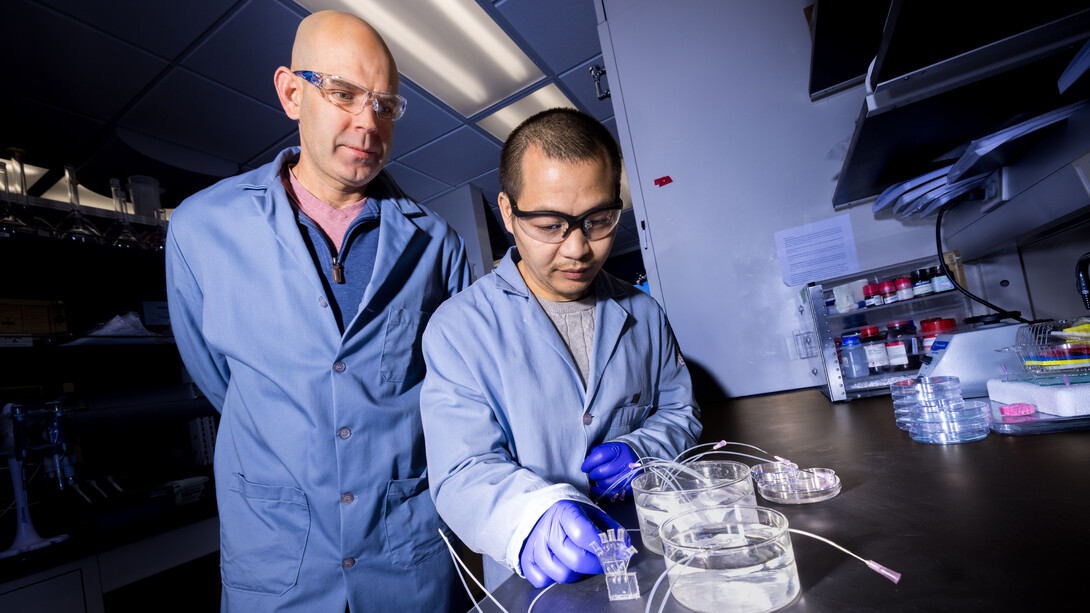
Husker researchers make gains on developing synthetic ‘muscle’
Who: Stephen Morin, associate professor of chemistry; Nengjian Huang and Brennan P. Watts, graduate students in chemistry
What: Morin’s team is developing a new synthetic material that behaves like biological muscle, which could pave the way for soft robotics, prosthetic devices and advanced human-machine interfaces. An article recently published in Advanced Functional Materials demonstrates a hydrogel-based actuator system that combines movement, control and fuel delivery in a single integrated platform. A synthetic version of biological muscle is sought after in material science because of its impressive force, quick movement, adaptability and flexible energy use. Morin’s team is trying to replicate this versatility using a hydrogel-based soft actuator that integrates tiny hydrogel units, known as microgels, with an internal microfluidic “circulatory system” that replicates blood vessels. The strategy should help the actuator rapidly receive chemical or thermal stimuli while operating in non-aqueous environments, as well as enable practical soft-robotic functions like microgripping.
“Artificial muscle has been an elusive target,” Morin said. “I’m not going to say that we’ve done that because I don’t think that we have yet, but we’ve demonstrated in this current work two really big principles that work toward the target of some sort of synthetic artificial muscle, and those are microstructure and chemical control.”
Writer: Dan Moser, Office of Research and Innovation
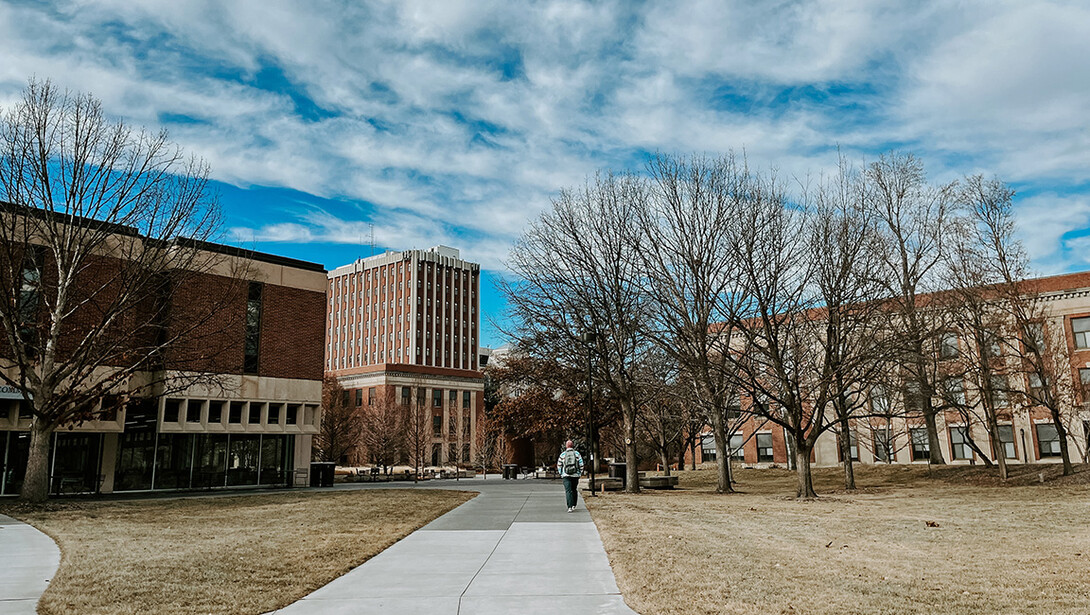
In sixth decade, Bureau of Sociological Research still taking the pulse of Nebraska
Who: Bureau of Sociological Research at the University of Nebraska-Lincoln
What: For 60 years, UNL’s BOSR has been a one-stop shop for researchers needing rigorous data collection and analysis. The bureau supports projects through every stage: study design and sampling, fieldwork and data collection, analysis and reporting. Its annual report features recent successes: In 2025, BOSR completed 58 projects for faculty, staff and students and 71 projects for the state of Nebraska and other entities. The bureau, funded entirely by its projects, raised $2.3 million in revenue and worked with 16 grants in process. One of its signature projects is the Nebraska Annual Social Indicators Survey, a probability-based omnibus survey that includes long-running core questions, some tracked for more than 15 years. This provides Husker researchers a cost-effective way of gathering reliable statewide insights – one of the many ways that BOSR bolsters Nebraska research.
“Someone recently said that they know they can come to us when they feel in over their heads,” said Amanda Ganshert, BOSR’s assistant director for research and methods. “And we’re able to help them at any point in the process.”
Writer: Dan Moser, Office of Research and Innovation
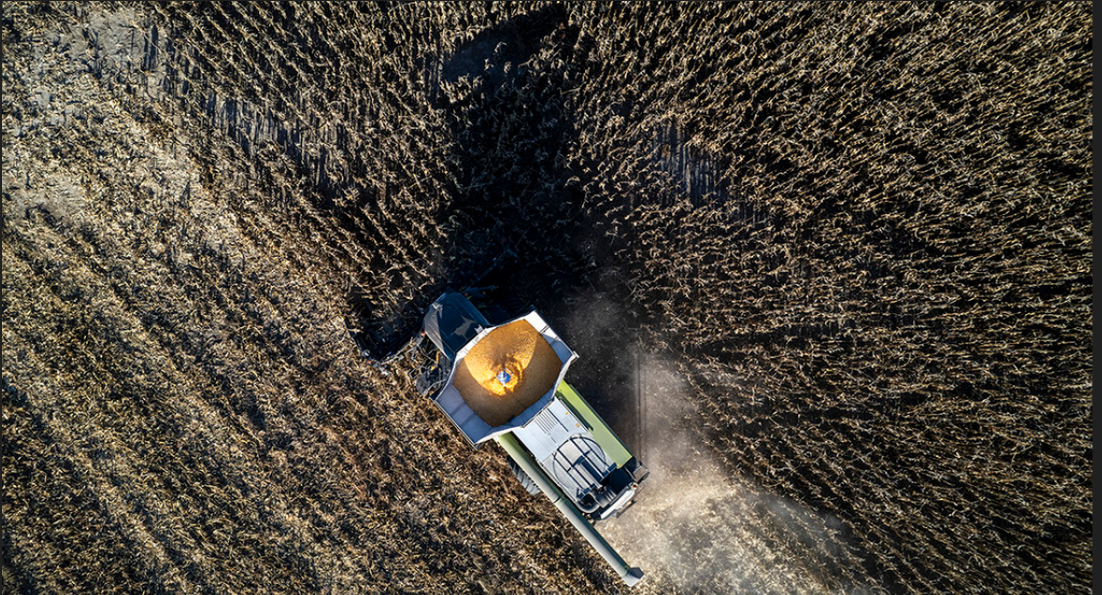
Nebraska joins international team to map global crop sulfur use, deficiencies
Who: Patricio Grassini, Sunkist Distinguished Professor of agronomy; Eve-Lyn Hinckley, associate professor of ecology and evolutionary biology at the University of Colorado Boulder; Achim Dobermann, chief scientist with the International Fertilizer Association
What: The University of Nebraska-Lincoln, University of Colorado Boulder, International Fertilizer Association and Sulphur Institute are launching a two-year joint initiative to comprehensively communicate the extent and severity of sulfur deficiency, which may be limiting crop yields around the world. Sulphur, an essential nutrient for plants, is in short supply for multiple reasons, including reduced atmospheric sulfur deposition, higher purity of fertilizers and loss of soil organic matter. The research team will collaborate with a network of global partners to help countries quantify and address sulfur deficiencies, which is expected to advance crop yields to meet the world’s growing demand for food and reduce excessive fertilizer use in some regions. The project will ultimately benefit a “wide range of stakeholders, including farmers, researchers, policymakers and the private sector,” Grassini said.
Writer: Department of Agronomy and Horticulture
Schubert elected National Academy of Inventors Fellow
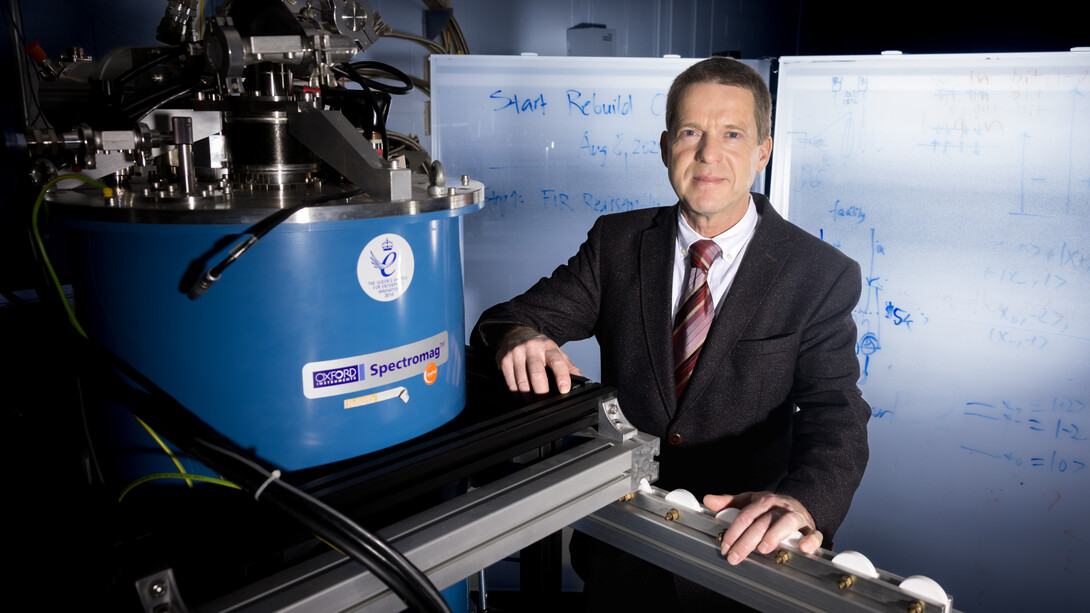
Who: Mathias Schubert, J.A. Woollam Distinguished Professor of engineering
What: Schubert, one of the world’s foremost innovators in the field of optical ellipsometry, has been elected to the 2025 class of National Academy of Inventors Fellows, the highest honor the organization bestows. He joins 13 UNL faculty as NAI fellows, who were selected for work that has been translated into inventions and technologies with societal impact. During his 20 years at Nebraska, Schubert has focused on broad spectral range optical characterization materials, both organic and inorganic, and uses ellipsometry, a material-probing technique, to explore ways to increase and harness the electrical capabilities of materials. Recently, he’s been working with an international team to identify new semiconductor materials for high-power applications. Schubert said he looks forward to the discoveries still ahead.
“I actually, honestly, have the opinion that if what I do is of interest, the problems will find me,” Schubert said. “There’s this concept of doing things at different frequencies, different mathematical approaches, that’s what you see all over the place. So many brilliant minds out there, and everyone’s going to have ideas. That’s exciting, to work with those people together, just listening to them and learning.”
Writer: Karl Vogel, College of Engineering
Zempleni’s research shows payoff of Legislature’s tobacco settlement investment
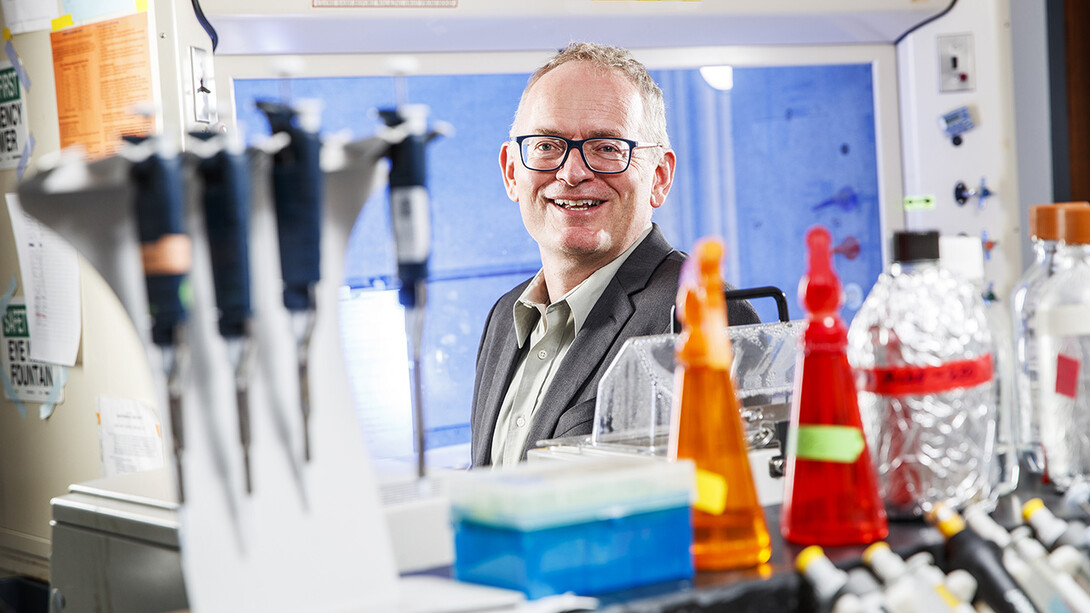
Who: Janos Zempleni, Willa Cather Professor of nutrition and health sciences
What: Zempleni is an internationally recognized researcher focused on how nutrition changes the behavior of genes. Since joining Nebraska in 2001, he has built a research portfolio totaling about $30 million and secured three phases of National Institutes of Health funding for the Nebraska Center for the Prevention of Obesity Diseases, which aims to prevent and treat obesity-related diseases using naturally occurring compounds. Zempleni’s success is an example of how the Nebraska Tobacco Settlement Biomedical Research Development Fund has paid dividends in the state and beyond. In 2001, Nebraska lawmakers approved legislation creating that fund by directing a portion of the state’s tobacco settlement dollars toward biomedical research. In 2003, Zempleni received tobacco settlement support, which enabled him to establish his laboratory and launch an epigenetics-focused research program. State and university leaders recently gathered to mark the 25th anniversary of the Health Care Cash Fund, which has helped recruit top scientists to the state, build research infrastructure and leverage state dollars to attract federal funding.
Writer: University Communication and Marketing
Nebraska Innovation Studio names 2026 fellows
Who: Nebraska Innovation Studio 2026 Innovation Fellows
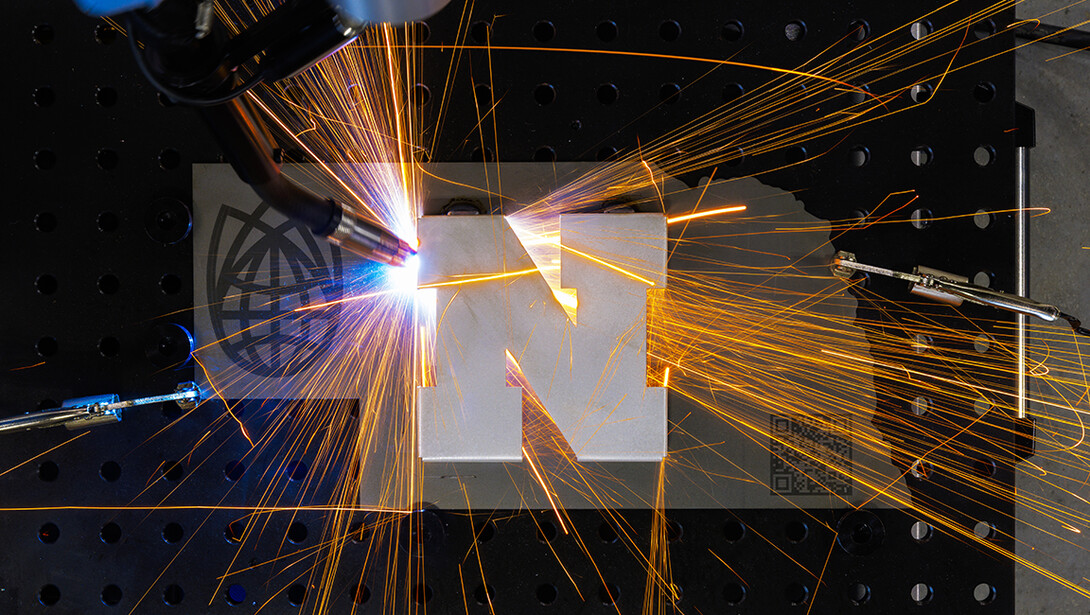
What: The new cohort of fellows, selected from among more than 50 applicants, are pursuing innovative ideas in medicine, agriculture and cybersecurity. Fellows receive five months of free membership at Innovation studio, a $2,500 material stipend and $1,500 in professional services credit with the Frontier Tech Lab. This is the second year of the fellowship program, which was started under a Build Back Better Regional Challenge grant from the U.S. Economic Development Administration and is now funded through private donations. The 2026 fellows are:
- Bill Berzonsky, founder of AgSolaire LLC, who is developing a “smart” seed thresher.
- Jon Turkus, a molecular biology technician and research manager for the Schnable Lab at UNL, who will advance work on a high-throughput device for rapid sampling of plant seedlings for use in downstream genetic analyses.
- Dr. James Willcockson, M.D., a hand and wrist surgeon at the University of Nebraska Medical Center who is developing a Doppler device that will improve the way surgeons measure blood flow during delicate procedures.
- Chris Wong, who recently retired from the Air Force, where he focused on communications and cybersecurity. He will advance work on an advanced military-grade cryptographic mesh network that enables secure, resilient communications for tactical comms, drones and autonomous systems.
Writer: University Communication and Marketing
A few extra dollars may go a long way for survey researchers, study shows
Who: Bureau of Sociological Research at UNL
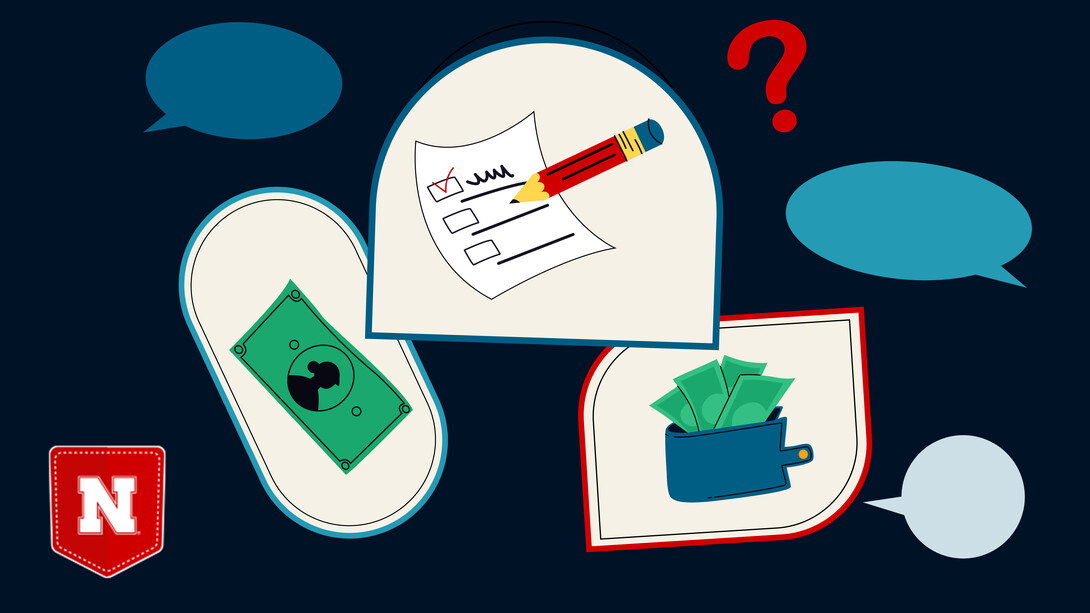
What: Survey research is crucial to helping social scientists, market researchers, policy makers and more capture the big picture of the public’s perceptions. Because the success of survey data relies on response rates, researchers have included monetary incentives in survey mailings. Initial incentives have shown success, but less is known about the effectiveness of follow-up incentives. A recent study from BOSR suggests that a sequential incentive may boost response rates – but less might be more. For the experiment, the team included an initial survey mailing with a $1 incentive. Nonrespondents then received an additional $0, $1, $2 or $5 in a subsequent mailing. The sequential incentives increased response rates overall – but $2 and $5 had the same statistical effect. This suggests that more than doubling the incentive may not work, and that the most cost-effective sequential incentive is likely around $2 when the initial offering is $1. In the future, the team could explore whether higher incentives, both initial and subsequent, would boost response rates.
Writer: Deann Gayman, University Communication and Marketing